Vascular Surgery
Educational Conferences
Our Vascular Surgery Residency program offers a structured, comprehensive didactic curriculum designed to support clinical excellence, board preparation, and professional development. Residents participate in protected, faculty-led educational conferences three times weekly (one hour per session), ensuring consistent, high-quality learning.
Weekly Conference Schedule:
- Tuesdays are dedicated to the Aortic Conference Series and Morbidity & Mortality (M&M), emphasizing complex aortic pathology, case-based discussion, outcomes analysis, and systems-based practice.
- Wednesdays focus on VSCORE-based curriculum, providing a structured, board-aligned review of core vascular surgery topics.
- Fridays feature a rotating schedule that includes Journal Club, Landmark Trials, M&M, and Oral Board Preparation, promoting critical appraisal skills and real-world application of evidence-based practice.
Faculty actively attend and participate in every session, guiding discussion, moderating case reviews, and providing real-time mentorship. Residents are encouraged to take on leadership roles within the conference structure, with multiple opportunities to develop and deliver presentations, fostering skills in teaching, public speaking, and clinical reasoning.
In addition to clinical didactics, our curriculum incorporates professional development education, including:
- Financial wellness and practice management
- Medical-legal fundamentals and litigation avoidance
- Billing and coding education
- Leadership development
- Visiting professor lectures and distinguished guest speakers
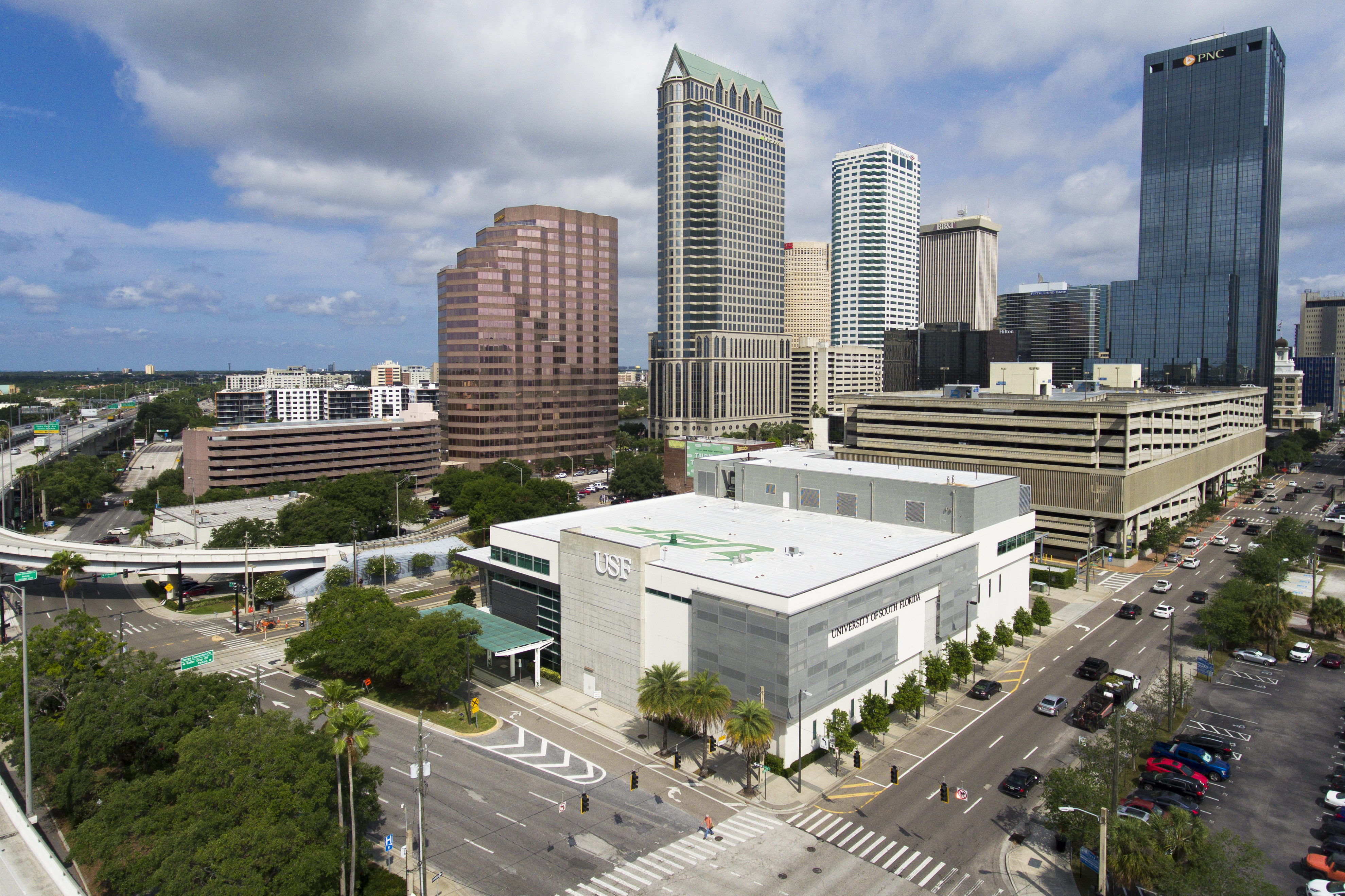
A vital component of our training is our robust simulation-based education, conducted at the USF Center for Advanced Medical Learning and Simulation (CAMLS). Residents participate in multiple simulation sessions throughout the year, focusing on technical skill development in both endovascular and open vascular techniques through high-fidelity simulators and cadaver-based laboratories.
Together, these educational experiences ensure our trainees graduate with a strong foundation in clinical knowledge, technical expertise, and professional readiness.