
Eye Institute
Cornea and External Eye Disease
The clear, protective, outermost layer of the eye is the cornea. Its dome-shaped surface covers the front of the eye and is considered the most important tissue for vision. Along with the sclera (white of the eye), the cornea serves as a barrier against germs and other elements that can harm the eye’s components. All the light that enters the eye is bent by the cornea. If the cornea becomes damaged through disease, infection, or injury, the resulting scars or discoloration interferes with vision by blocking light from entering the eye.
Clinical Services Offered
- Allergic and Infectious conjunctivitis
- Corneal infections ( bacterial, viral, Acanthamoeba, fungal)
- Corneal dystrophy
- Corneal edema
- Fuch’s corneal dystrophy
- Congenital corneal opacities
- Keartoconus
Surgeries Offered
- LASIK
- Corneal transplantation full thickness
- Endothelial transplantation (DMEK and DSAEK)
- Deep Automated Lamellar Keratoplasty (DALK)
- Cataract surgery along with corneal transplantation
- Artificial Cornea transplantation (Boston KPRO)
- Limbal stem cell transplantation
The Cornea and External disease center is headed by Dr. Edgar Espana, who performs cutting-edge surgery along with NIH-sponsored research.
Surgery Guide
Visit our surgery guide for a general outline of what to expect for your pre- and post-operative care. Please never hesitate to reach out with questions, concerns or any additional information that you may require to make your surgical planning experience better.
Clinical Trials
The Department of Ophthalmology has a rich history of successful clinical research activities, spanning over more than a twenty-year period. If you are interested in participating in clinical trials or would like to learn about more upcoming clinical trials visit the link below.
Institute for Sight Innovation and Translational Research Clinical Trials
Meet Our Experts
Location
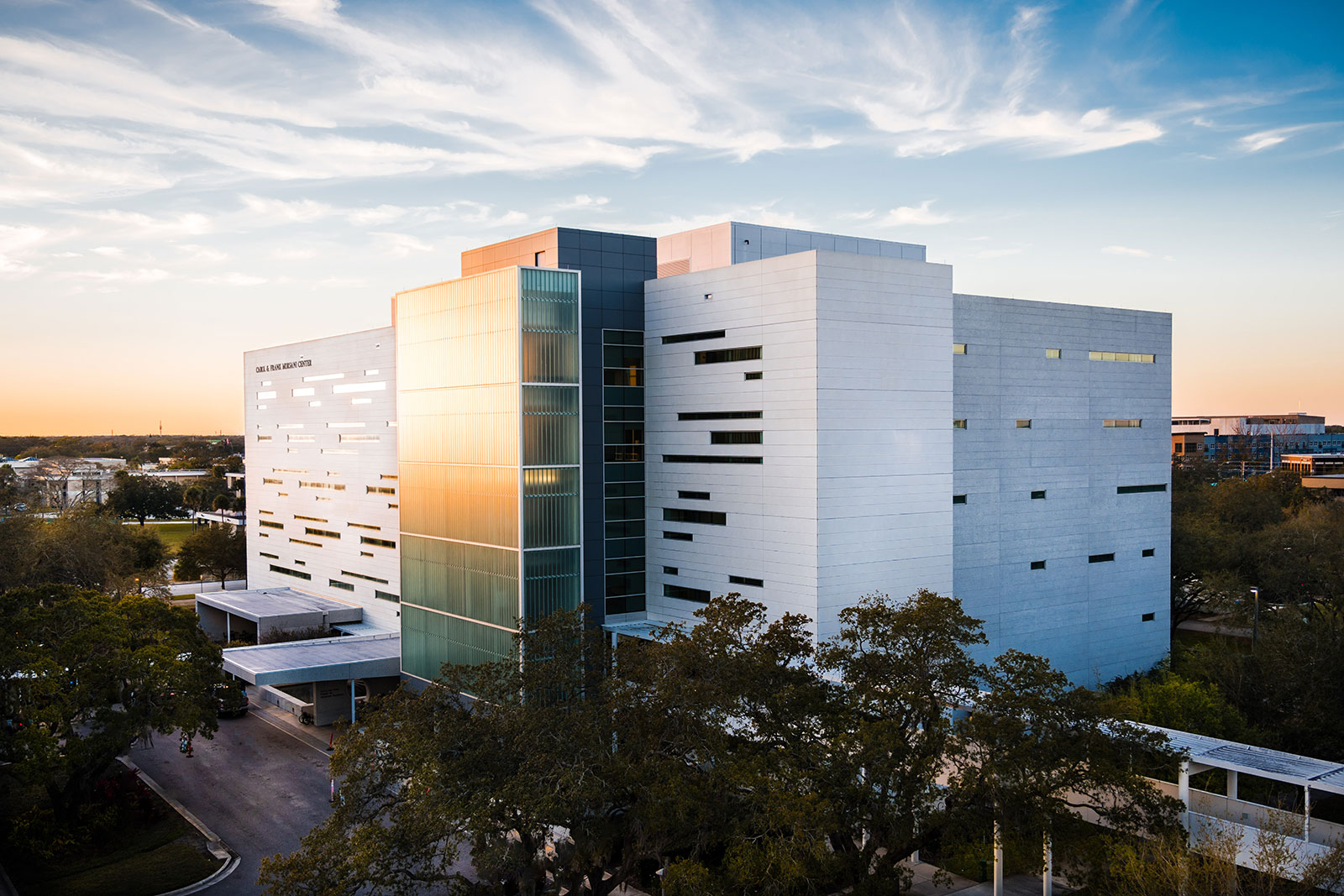
USF Eye Institute at the Carol and Frank Morsani Center for Advanced Health Care
Tampa, FL 33612