
Eye Institute
Contact Lens and Low Vision
Options for Managing Low Vision
Low vision is a form of vision loss that is described as having reduced visual function, which cannot be fully corrected with medications, glasses, surgery or contact lenses. Various other eye conditions, such as disfigured eyes, may be corrected with artificial irises for cosmetic purposes. Other types of eye issues, such as severe dry eyes, Graft versus Host disease, and irregular eyes, can be remedied with the use of Scleral lenses. Low vision can be managed through the use of visual aids and rehabilitation.
People with low vision experience blurry vision, loss of light sensitivity and contrast, poor light vision, and the loss of vision can make day-to-day activities, such as driving, watching TV, reading and writing, difficult or impossible. Low vision can be caused by:
- Eye or brain injury
- Genetics
- Eye diseases such as: diabetic retinopathy, glaucoma, macular degeneration, cataracts, retinitis
General contact lens fitting for normal conditions, such as near sightedness, far sightedness, astigmatism and presbyopia, are provided as well.
Clinical Trials Information
Our cutting-edge Ophthalmology research is at the forefront of innovation, dedicated to unraveling the complexities of ocular diseases and advancing the future of eye care. Learn more about participating in clinical trials.
Institute for Sight Innovation and Translational Health Research (INSIGHT) Clinical TrialsMeet Our Experts


Location
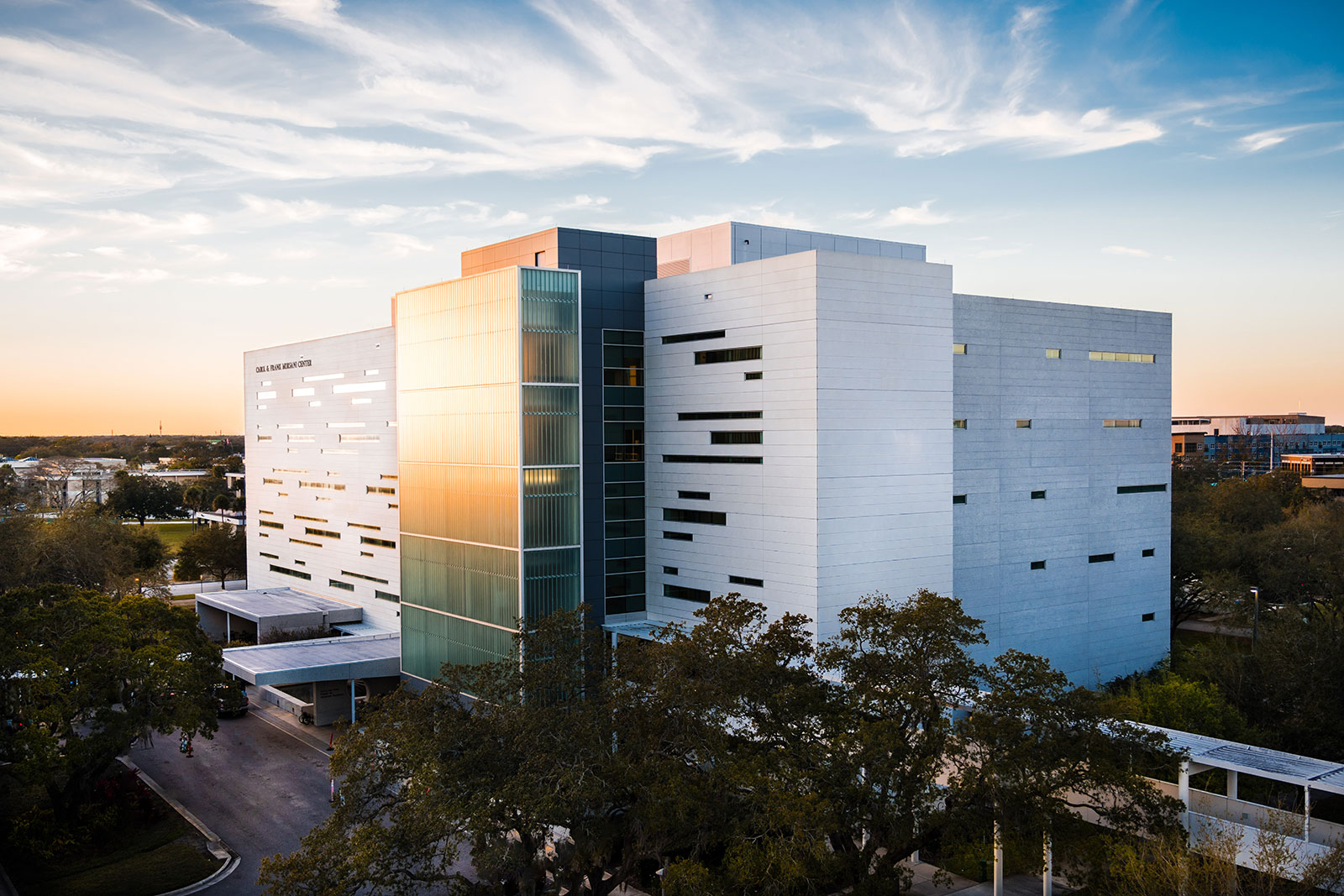
USF Eye Institute at the Carol and Frank Morsani Center for Advance Health Care
13330 USF Laurel Drive., 4th floor
Tampa, FL 33612