Office of Research
Research Initiatives
Causal Inference in Public Health Research Lab
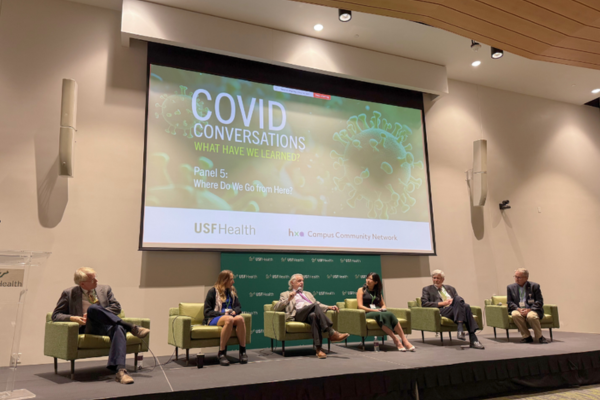
The Causal Inference in Public Health Research (CIPHR) lab is focused on the development, evaluation, and application of causal inference methods in public health research. Projects range from applications of causal inference methods to answer substantive research questions to the development of new statistical methods. The CIPHR lab provides students an opportunity to get involved in research and learn about causal inference methods.

Entourage Lab
The Entourage Lab studies how networks of family, friends, and communities support pregnant people and new mothers, reducing maternal stress, injury, and mortality. Researchers draw from medical anthropology, epidemiology, and public health to investigate the cultural, political, and economic dimensions of maternal care.
Freedom From Infection
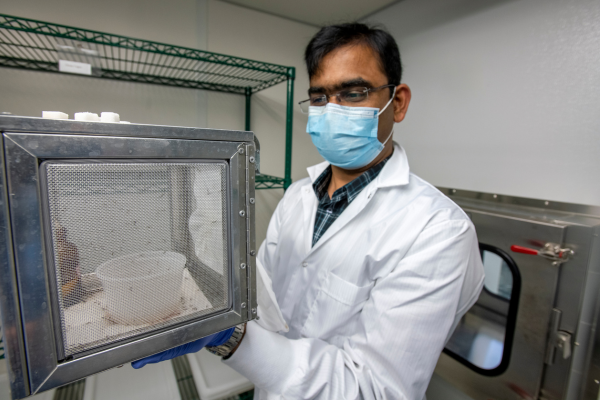
This initiative develops and tests a framework to assess the sensitivity of malaria surveillance systems using a data-driven approach. By integrating multiple diagnostic tools, it enhances disease detection and response. Collaborations span Vietnam, the Philippines, Cabo Verde, Peru, and the Dominican Republic, supported by funding from the Bill & Melinda Gates Foundation and The Carter Center.
Global Virus Network
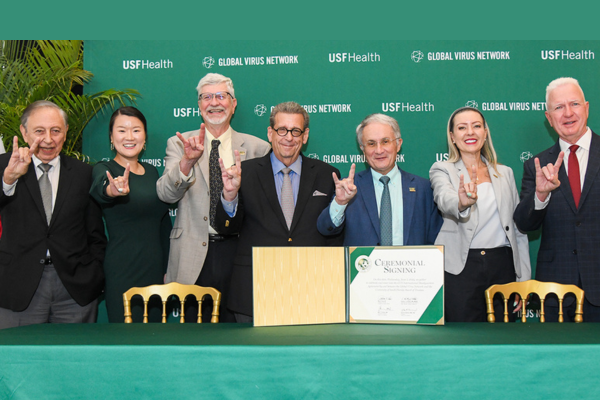
As the international headquarters of the Global Virus Network (GVN), USF coordinates global research, training, and policy efforts to strengthen pandemic preparedness and virology capacity. GVN unites more than 80 Centers of Excellence across 40+ countries to combat viral threats.
Infection Control for Emergency Responders
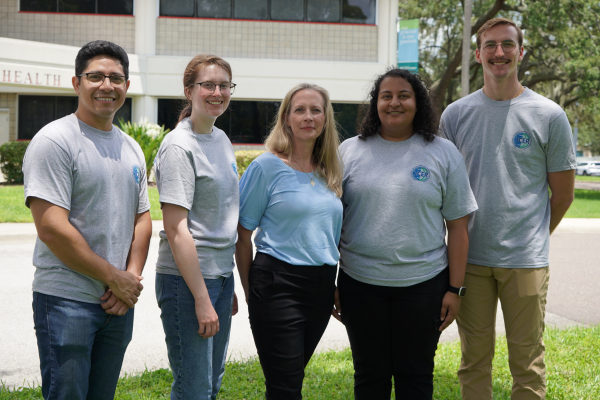
Infection Control for Emergency Responders (ICER) equips emergency medical personnel with education and resources for infection prevention and control. A multi-disciplinary team provides training, consultation, and a collaborative hub to support front-line responders.

LIFE in Media Survey
This groundbreaking study examines digital media use and adolescent wellness among 11-to-13-year-olds in Florida. Conducted by USF researchers with data collected by The Harris Poll, the survey provides insights into social media habits, gaming, news consumption, cyberbullying, mental health, and more, offering one of the most comprehensive assessments of its kind.

Salud Latina
Salud Latina USF is a public health initiative dedicated to outreach, education, research, and student mentorship. Through faculty-led research and community engagement, it addresses health disparities impacting Latino communities locally and globally.

Study Design & Data Analysis
The Study Design and Data Analysis (SDDA) core enhances research at USF Health by supporting study design, data analysis, and data management. It strengthens grant applications through statistical planning and contributes to funded projects with expert analysis and reporting. The group also ensures independent data management in compliance with NIH guidelines.

Together After Cancer / Juntos Después del Cáncer
Together After Cancer / Juntos Después del Cáncer is a research initiative supporting Latina breast cancer survivors and their partners. Through tailored programs, it provides tools to strengthen relationships, improve communication, and enhance emotional and physical well-being after cancer.