Fellowship Programs
Cardiothoracic Imaging Fellowship
***We currently have 1 open Cardiothoracic Fellowship position available for the 2027/2028 academic year!***
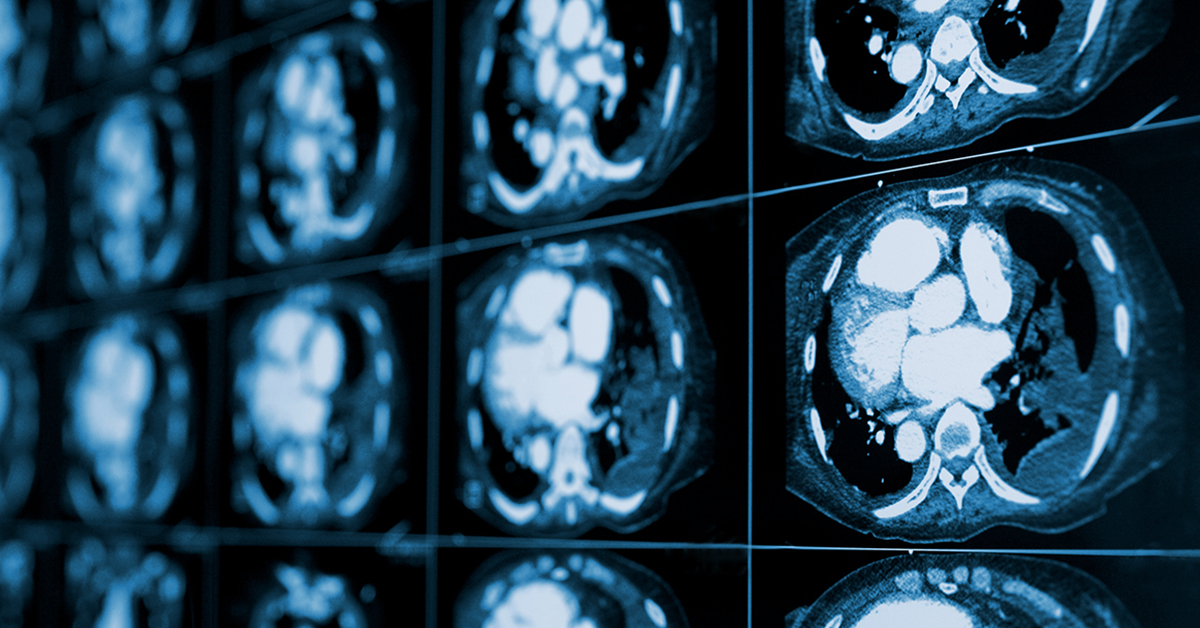
Overview
The USF Health Morsani College of Medicine Department of Radiology, in partnership with Tampa General Hospital, offers two one-year Cardiothoracic Imaging Fellowship positions annually. Our program follows the Society of Chairs of Academic Radiology Departments (SCARD) guidelines for the application and interview cycle.
This fellowship provides comprehensive training in the interpretation of advanced thoracic and cardiac imaging, with a focus on:
- High-resolution chest CT
- Cardiac CT angiography
- Cardiac MRI
- Multimodality thoracic imaging
Fellows gain expertise in cross-sectional imaging of the chest, mediastinum, pleura, lungs, and cardiovascular system. They learn to develop focused differential diagnoses and guide imaging-based management decisions in both routine and complex cases. Training aligns with ACR and ACC COCATS guidelines for cardiac CT and MRI, allowing fellows to meet requirements for advanced competency in these modalities.
Clinical Experience
- Interpretation-focused training: The fellowship does not require procedural participation, allowing fellows to concentrate on diagnostic image interpretation and clinical decision-making.
- Optional procedural exposure: For fellows interested in expanding their skill set, opportunities to observe or assist with thoracic image-guided procedures may be available in collaboration with Interventional or Body radiology.
- Multidisciplinary collaboration: Fellows regularly participate in clinical conferences and tumor boards, gaining perspective on real-world applications of imaging findings across pulmonology, cardiology, oncology, and surgery.
- Educational involvement: Fellows play an active role in teaching radiology residents, medical students, and rotating observers during readouts and conferences, helping build communication and leadership skills in an academic environment.
Supervision & Scope of Practice
All imaging studies are performed and interpreted under direct supervision of attending faculty, in compliance with ACGME, Joint Commission, AHCA, and CMS requirements. Fellows are entrusted with increasing levels of responsibility as their competency develops.
Fellowship Program Information
-
Fellows interpret 400+ cardiac MRIs and 800+ coronary CTAs annually, meeting the case requirements for certification in both modalities. The fellowship provides robust training in structural heart disease imaging, including pre-procedural planning for TAVR, MitraClip, valve replacements, pulmonary vein ablations, and Watchman device placement, with close collaboration with cardiology and cardiothoracic teams.
Fellows also gain significant exposure to advanced pulmonary imaging with high-resolution chest CT and actively participate in interdisciplinary conferences, such as the Interstitial Lung Disease Conference, engaging directly with pulmonary and transplant clinicians.
This high-volume, collaborative environment ensures a comprehensive and practice-ready experience in cardiothoracic imaging.
-
- Tampa General Hospital is a private, not-for-profit hospital and one of the most comprehensive medical facilities in Florida serving a dozen counties with a population in excess of six million. For nearly two decades, TGH has been named one of the Nation’s Best Hospitals by U.S. News & World Report.
- The Wallace Trauma Center at TGH is the area’s only Level I Trauma Center and TGH is one of just two adult & pediatric ABA-verified burn centers in Florida. With five medical helicopters*, we are able to transport critically injured or ill patients from 23 surrounding counties to receive the advanced care they need. The hospital is home to the leading organ transplant center in the country, having performed over 14,000 solid organ transplants. TGH is also a nationally certified comprehensive stroke center. Other outstanding centers include internal medicine, heart & vascular, orthopedics, oncology, high-risk and normal obstetrics, urology, ENT, endocrinology, neurosurgery, gastroenterology, parathyroid and thyroid, and the Muma Children’s Hospital at TGH including the Jennifer Leigh Muma Neonatal Intensive Care Unit. TGH is the primary teaching hospital for the USF Health Morsani College of Medicine and the region’s only academic health system.
-
Cardiac Imaging Equipment at TGH/USF
TGH and USF are equipped with state-of-the-art hardware dedicated to cardiac imaging. Recent upgrades include two GE Revolution Apex 512-slice CT scanners at the main hospital and Ferman Imaging Center, featuring AI-driven reconstruction, motion correction, and ultra-high resolution—ideal for coronary CTA and structural heart imaging.
For cardiac MRI, fellows use advanced wide-bore scanners optimized for high-quality functional and structural cardiac assessments. All imaging sites are ACR-accredited, ensuring consistent image quality and patient safety.
The program also incorporates HeartFlow FFR-CT analysis, enhancing noninvasive coronary artery assessment and clinical decision-making.
While TGH/USF hosts a wide range of imaging equipment, these systems represent the primary platforms used for cardiac imaging in the fellowship.
Why Tampa - Click on link for video of the Tampa Bay Area!
-
Tampa General Hospital is a nationally ranked academic medical center and a premier training site offering an exceptional breadth of clinical exposure. As a high-volume Level 1 trauma center, comprehensive transplant center, and regional referral hub, TGH delivers unmatched diversity in cardiothoracic pathology. Fellows interpret imaging from a wide range of inpatient, outpatient, and ambulatory settings across the TGH system, exposing them to both complex tertiary cases and common thoracic presentations. This variety prepares graduates for success in both academic and high-paced private practice environments. TGH is consistently recognized as one of the top hospitals in Florida, with advanced care capabilities and a commitment to innovation and patient safety.
Living in Tampa
Tampa offers a vibrant, coastal lifestyle with a unique blend of urban convenience and natural beauty. From award-winning beaches and outdoor recreation to cultural festivals, professional sports teams, and a thriving food scene, the city appeals to a wide range of interests. With no state income tax and a relatively low cost of living compared to other major cities, Tampa is an ideal place to live and train. Its warm climate, growing arts and innovation scene, and diverse population make it both welcoming and dynamic for trainees and families alike.
*Click on video above to view Why Tampa* -
Link for full description of all benefits through USF GME: USF GME Fellow Benefits
Paid Time Off
Annual leave days - 20 per year
Sick leave days - 15 per year
Conference leave days - 5 per year
Family Leave (maternity/paternity leave) - 10 daysEducation Funds
$500 book fund
$2250 towards attending educational conference with accepted abstract/presentation
$600 towards attending conference without submitting an abstractReimbursement of ABR fees
-
Fellows have the opportunity to moonlight once they have demonstrated clinical competence. Our high outpatient imaging volumes ensure consistent availability of moonlighting shifts, which are flexible and can be tailored to individual preferences. Fellows may moonlight on weekdays after 5:30 PM and anytime on weekends.
Moonlighting duties typically include final interpretations of CT, ultrasound, and X-ray studies, with compensation provided at a base rate per RVU. In recent years, fellows have successfully obtained home workstations, allowing them to earn additional income without commuting.
-
The following items (copies) are required for a completed application. We follow the SCARD policy guidelines for the application season.
- Current CV
- Personal Statement
- Photo
- 3 Letters of Recommendation
- Copy of USMLE Step 1, 2, 3 scores
- MSPE
- Medical School transcript
- Residency Diploma
Please email your application and supporting documents to:
Tracy Colley
Fellowship Program Administrator
tcolley@usf.edu
Cardiothoracic Imaging Faculty
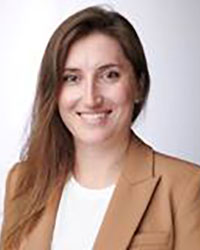
Hristina Natcheva, MD - Program Director
Dr. Hristina Natcheva, MD, serves as the Program Director of the Cardiothoracic Imaging Fellowship and Associate Program Director for the Diagnostic Radiology Residency at USF Health. She completed her radiology residency at Mount Sinai Beth Israel and fellowship in Cardiothoracic Radiology at Massachusetts General Hospital. Before joining USF, she held faculty leadership roles at Boston Medical Center. Board-certified in diagnostic radiology, she has presented at RSNA, ARRS, STR, and the Japanese Radiologic Society.
At Tampa General Hospital, Dr. Natcheva supervises and teaches fellows daily. Her clinical interests include diffuse lung disease, cardiac CT/MRI, and pulmonary complications in immunocompromised patients. Known for her approachable and high-yield teaching style, she helps trainees develop the confidence and skills needed for careers in both academic medicine and private practice.
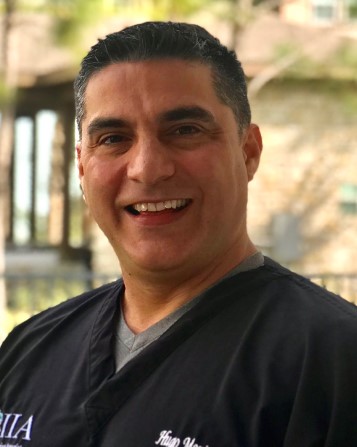
Hugo Montes, MD, FACR - Cardiothoracic Imaging Faculty
Hugo Montes, MD is from San Juan, PR and attended Georgetown University for undergrad, University of Puerto Rico Medical School, and UF Jacksonville for residency. He was the first radiologist to do a full year Cardiac CT/MR fellowship 2004-2005 at UF. He has been FACR since 2023 establishing multiple Cardiac CT/MR imaging programs throughout the state of Florida since 2005. He is fully bilingual in both English and Spanish and fluent in French and Portuguese. Dr. Montes actively participates in teaching the diagnostic radiology residents as well as the cardiothoracic fellows at USF Health.
Testimonial
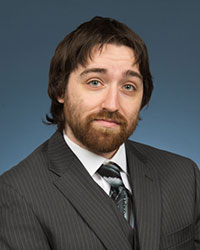
Michael Gange, MD - 2024-2025 Fellow
The Cardiothoracic Imaging Fellowship was an excellent experience for furthering my education in radiology. The volume and breadth of pathology seen both by CT and MRI is vast and matched only by the enthusiasm and eagerness of the Radiology and Cardiology attendings to teach and make sure you succeed. In addition, we have weekly discussions with pulmonology and transplant surgery in the evaluation of patients with interstitial lung disease which immensely helps your radiologic understanding of pathology as well as the weight that your words hold when dictating such studies. Whether you prefer private practice or an academic setting, you will get exposure to do both to decide what type of workflow you like best.