
Psychiatry & Behavioral Neurosciences
Memory Disorders Clinic
As one of 15 designated Memory Disorder Clinics in the state of Florida, USF’s world-renowned research is contributing to the progress of Alzheimer's disease and the prevention of other dementias. These research findings directly benefit patient care at USF Health’s Memory Disorders Clinic.
Patients with memory problems are assessed by an interdisciplinary team of specialists. Your evaluation will typically include a thorough medical history, a physical and neurological examination, a psychiatric and neuropsychological evaluation, and laboratory testing. We provide access to state-of-the-art imaging equipment, including MRI, which is located on the USF Health campus.
Based on this comprehensive diagnostic evaluation and medical diagnosis, the health care providers at USF Health’s Memory Disorders Clinic develop a care plan with a patient’s primary care physician or directly with the patient in many cases. Treatments may include medical care, behavior management, counseling, and referral to community resources, as well as access to new investigational drug therapies being evaluated at USF Health.
Patients with severe memory loss, as well as their families and caregivers, face multiple issues and must sometimes make difficult decisions. The health care team at the USF Health Memory Disorders Clinic offers counseling and helps patients and families navigate these choices.
In addition, the USF Health Memory Disorders Clinic provides educational programs and services to the community, including support groups, Alzheimer’s associations, assisted living facilities, law enforcement officers, and many others.
At USF Health, we want to make it easy for patients to get the care they need.
-
Please contact us at (813) 974-1404 to learn more about clinical research trials at USF Psychiatry. All study related visits, procedures, and study-medications are provided.
Why is Research so important?
Without medical research, medicine would not have made the advances that we enjoy today. For you and for future patients, research is essential. Volunteering for medical research provides participants with opportunities to contribute to society, to the community and to others who have health problems.
Who can take part in a research study?
Each research study has requirements about who can participate. Using specific requirements is an important principle of research that helps to produce reliable results. These requirements are called inclusion and exclusion criteria. Inclusion criteria explain exactly what kinds of people may participate, while exclusion criteria explain exactly what kinds of people may not participate. These criteria are often based on such factors as age, gender, medical history, current health and past medical treatments. Some research studies seek participants with specific illnesses or conditions, while others need healthy volunteers.
What is informed consent?
Informed consent is the process of learning the key facts about a research study before deciding whether to participate. The consent process continues to provide information to you throughout your time in the study. To help you decide whether or not to participate, the researchers and staff will meet with you to explain the details of the study. You should feel free to ask any questions and to tell them if you don't understand something. The research team then provides an informed consent document that explains details about the study, such as its purpose, its length, required procedures, and key contacts. Known risks and potential benefits are also explained. You may also take a 'read only' copy of the informed consent document home with you to review and consider.
If you decide to participate, you must sign the informed consent document. You will be given a copy of the document to keep. Informed consent is not a contract; by signing it you do not give up any of your rights and you can quit at any time. If you decide to quit, you should tell the research team.
How can I prepare for the first meeting with the researchers?
- Bring a friend or relative along for support and to hear the responses to your questions.
- Bring pen and paper to take notes.
- You can ask questions or stop the discussion if you don't understand what is being said.
- Make a list of questions to ask.
-
Is memory loss normal? Is it age related?
Significant memory problems are not a part of the normal aging process and may reflect an underlying illness.
What causes memory loss? Is it serious? Is it Alzheimer’s disease?
Memory loss could be the result of either stress, psychological problems, depression, or medical conditions that include thyroid disease, diabetes, hypertension, vitamin deficiencies, arteriosclerosis, and stroke. In addition, memory loss can also be caused by a variety of brain disorders, such as Alzheimer’s disease.
What can I do?
Accurate diagnosis of the illness underlying the problem is critical because several of these illnesses are treatable. However, while memory loss is relatively easy to detect and measure, the underlying illness is often difficult to diagnose. A thorough evaluation of the causes of the memory disorder requires an examination of physical health, psychological well-being, lifestyle, and medical history. Memory loss is detrimental, but help is available.
Please contact us if you or someone you know is suffering from a memory problem. For more information or to make an appointment, please contact us at the USF Memory Disorders Clinic: (813) 974-3100.

Moms open up about dealing with postpartum depression and psychosis
USF Health's expert Dr. Deborah Knudson Gonzalez, specialist in reproductive psychiatry appears on ABC's Nightline. Dr. Gonzalez shares her expertise on postpartum depression and psychosis.
Moms open up about dealing with postpartum depression and psychosis
Clinical Trials
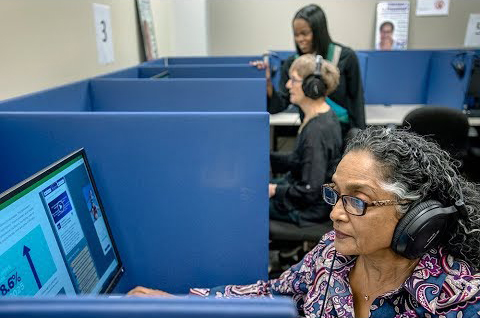
Join our clinical trial, Preventing Alzheimer's with Cognitive Training (PACT). Call (813) 974-6703 or visit www.pactstudy.org to find out more.