Priscilla Amofa-Ho
The NEST Lab explores combinations of lifestyle and behavioral interventions – Cognitive Behavioral Therapy for Insomnia (CBTi), physical activity, diet/nutrition, cognitive training and compensatory strategies, and supportive therapy – to target multiple risk factors for Alzheimer’s disease and related dementias and to improve cognition, vascular health, everyday functioning, mood, and overall health outcomes. We also explore these interventions to improve cognition among adults and older adults at increased risk of cognitive decline or impairment. Translational tools, including neuroimaging and health-monitoring wearables, and interdisciplinary approaches are used to inform intervention adaptation and optimize effects on cognition and everyday functioning.
The NEST Lab focuses on three core areas:
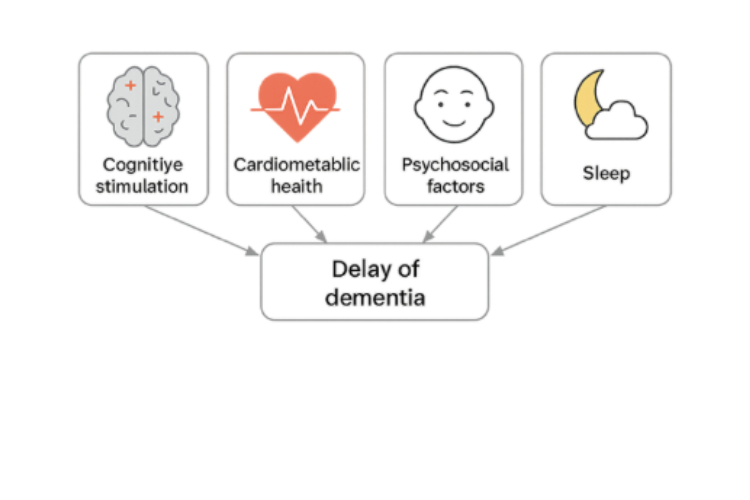
Mechanisms through which lifestyle and behavioral interventions prevent and delay the development of Alzheimer’s disease and related dementias.
The use of multimodal interventions to mitigate the risk of Alzheimer’s disease and related dementias among persons with mild cognitive impairment (MCI) and among family caregivers.
Adaptation of multimodal interventions for vulnerable populations (including persons from under-represented communities) at increased risk of Alzheimer’s disease and related dementias.
Areas of Interest
Alzheimer’s Disease and Related Dementias (ADRD); lifestyle and behavioral (non-pharmacological) interventions; cardiometabolic diseases; cerebrovascular disease; multimorbidity; health disparities; determinants of health; mild cognitive impairment (MCI).
Research Team
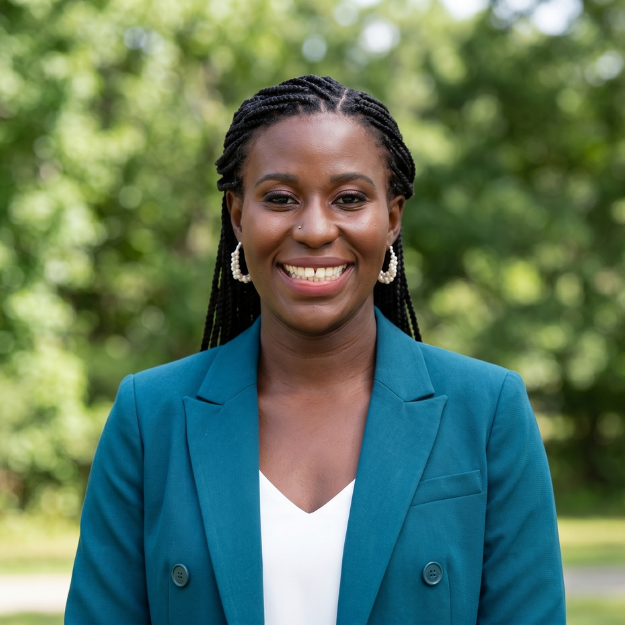
Principal Investigator/ Lab Director
Dr. Priscilla Amofa-Ho is an Assistant Professor (tenure-track) and a clinical neuropsychologist (PY 13213). She leads the Neurocognitive Enhancement through Synergistic Therapies (NEST) Lab. Dr. Amofa-Ho completed her doctoral training in Clinical Neuropsychology at the University of Florida in Gainesville. Before earning her PhD, she worked at the Rush Alzheimer’s Disease Research Center on various intervention studies aimed at reducing the risk of Alzheimer’s disease dementia and other dementias. She completed her postdoctoral fellowship at the University of South Florida (PI: Dr. Christina McCrae, PhD, DBSM, FSBSM, FAASM, director of the SHINE Science Center and Assistant Dean of Research), focusing on how sleep affects cognitive aging and neurodegenerative disorders.
Dr. Amofa-Ho has extensive training and experience working with individuals at risk of and with dementia. Her clinical and research interests include mild cognitive impairment (MCI), dyadic interventions, dementias, the role of psychosocial factors and determinants of health in cognitive aging, implementing interventions to prevent cognitive decline, and adapting interventions for underserved populations.
Her current research focuses on adapting multimodal lifestyle interventions for remote delivery to persons with MCI and their family caregivers. She is also interested in using lifestyle and non-pharmacological interventions to reduce cognitive decline and poor health outcomes among persons undergoing cancer treatment, those with high multimorbidity, and in culturally sensitive adaptation of interventions for underrepresented populations at increased risk of ADRD.
As a clinical neuropsychologist, she sees patients weekly in the Department of Psychiatry and Behavioral Neuroscience outpatient Memory Disorder Clinic. She conducts neuropsychological assessments of older adults within a cultural neuropsychology framework. Patients in her clinic are largely referred for differential diagnosis of dementia (e.g., Alzheimer’s dementia, Lewy Body dementias, Frontotemporal Dementia, Vascular Dementia) and mild cognitive impairment (MCI).
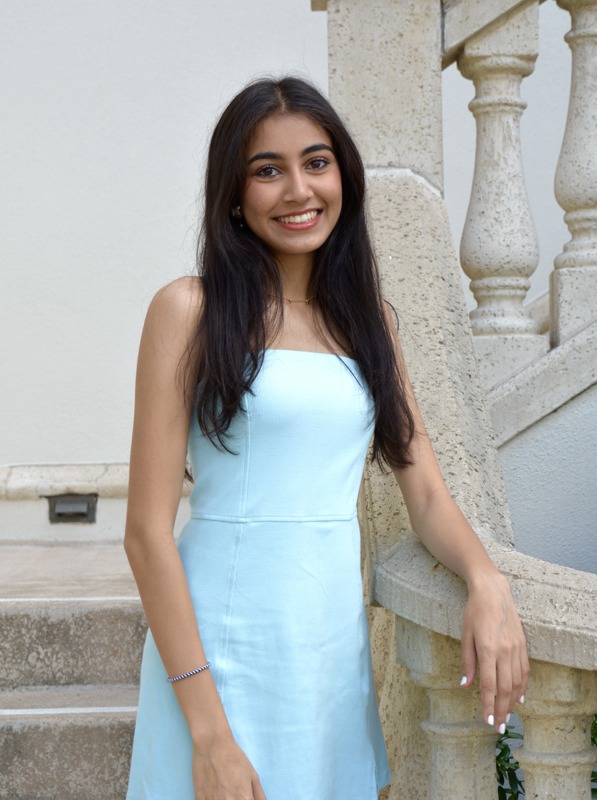
Suhani Shah – Undergraduate Research Assistant
Suhani Shah is a rising junior at the University of South Florida majoring in Biomedical Sciences with a minor in Psychology and Economics. She serves as a Volunteer Research Assistant in the Neurocognitive Enhancement through Synergistic Therapies (NEST) Lab, where she contributes to research focused on brain health, aging, and evidence-based interventions to improve cognitive outcomes. Suhani is passionate about neuroscience, clinical research, and improving patient care through scientific discovery. She hopes to pursue a career in medicine while continuing to explore opportunities in research that address neurological health and health disparities. Outside of the lab, Suhani enjoys dancing, creating digital content, and volunteering in healthcare settings within the Tampa Bay community.
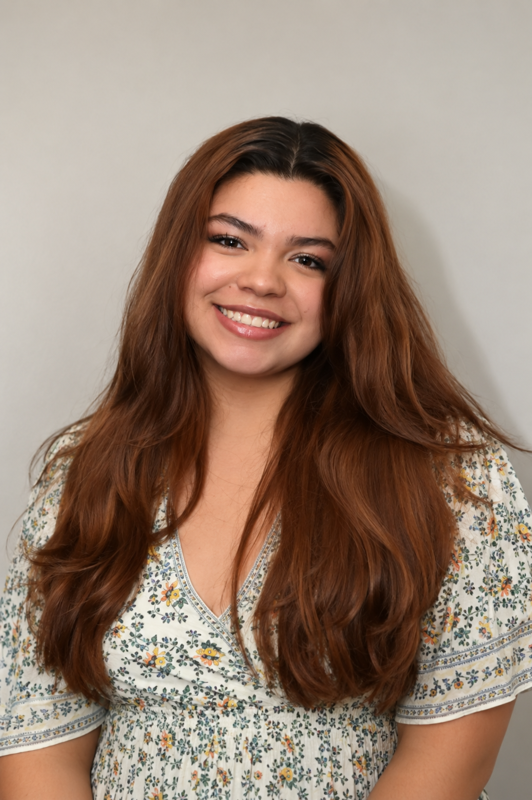
Catalina Castro – Undergraduate Research Assistant
Catalina is a rising sophomore at the University of South Florida majoring in Health Sciences. She serves as a Volunteer Research Assistant in the Neurocognitive Enhancement through Synergistic Therapies (NEST) Lab, where she contributes to research focused on brain health, aging, and evidence-based interventions to improve cognitive outcomes. Catalina is particularly interested in oncology, behavioral health, and addressing health disparities affecting Hispanic communities and women. She hopes to pursue a career in medicine while continuing to engage in research that advances equitable, patient-centered healthcare. Outside of the lab, Catalina enjoys creating art, reading, and volunteering in her community.
-
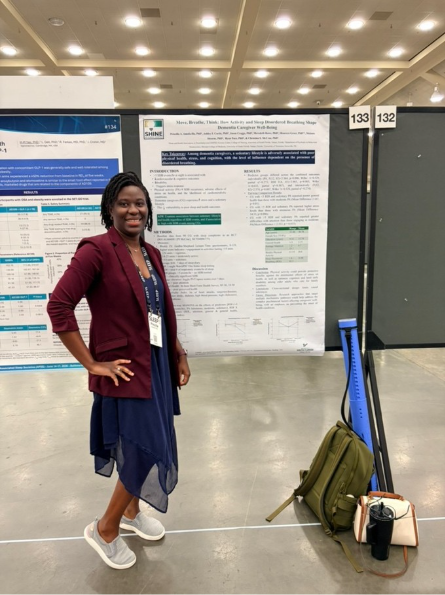
Dr. Amofa-Ho was awarded the Sleep Research Society Trainee Merit Award for the SLEEP 2026 conference.
Dr. Amofa-Ho was awarded the Sleep Research Society and American Academy of Sleep Medicine Dependent Care and Accessibility grant for the SLEEP 2026 conference.
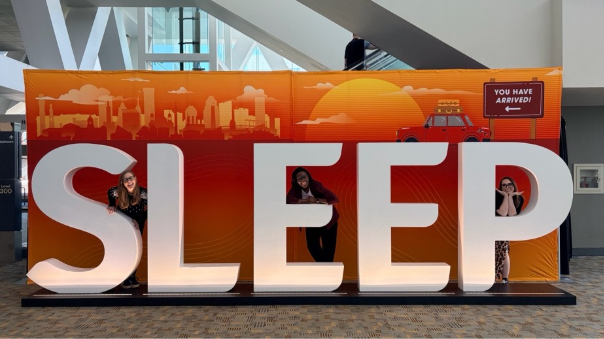
Dr. Amofa-Ho is presenting research findings at the upcoming SLEEP 2026 Conference in Baltimore.
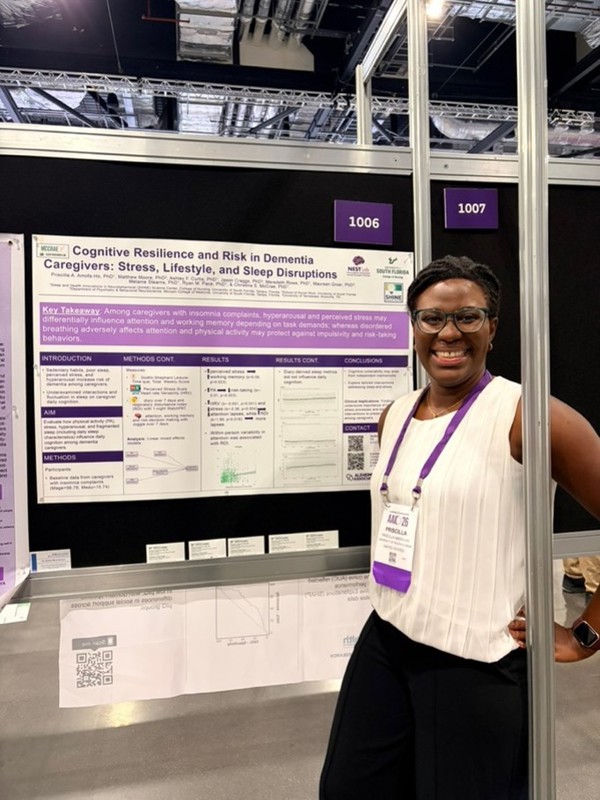
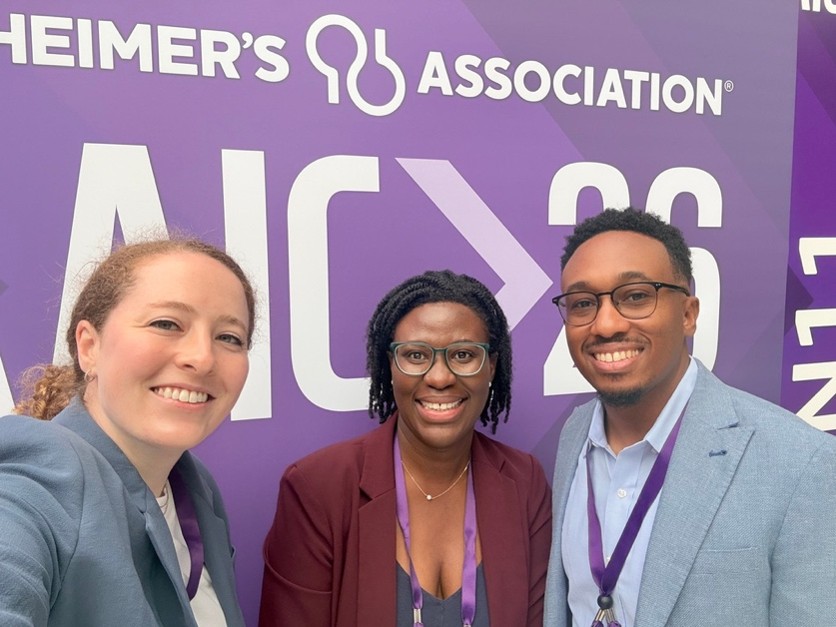
Dr. Amofa-Ho is presenting research findings at the upcoming AAIC 2026 Conference in London.
-
During SLEEP 2026, Dr. Amofa-Ho discussed results from her postdoctoral work, including
one that received the Trainee Merit Award. In this podcast, Dr. Amofa-Ho explored the
interplay among physical activity, disordered breathing, stress, and cognition among
dementia caregivers. You can listen to the podcast using any of the following
links: PodBean, Amazon Music, Apple Music, and Spotify. Dr. Amofa-Ho’s segment begins at
40:36.
-
Complete List of Published Work in My Bibliography (n=20):
-
Current Projects: Stay Tuned!
Trainee Recruitment
Not currently accepting applications for a full-time research coordinator
Availability for undergraduate student research assistants starting Spring 2027. Please inquire in November 2026 – January 2027
Contact
-
Priscilla Amofa-Ho, M.A., Ph.D.
Assistant Professor813-905-1049