Research
Biobehavioral Laboratory
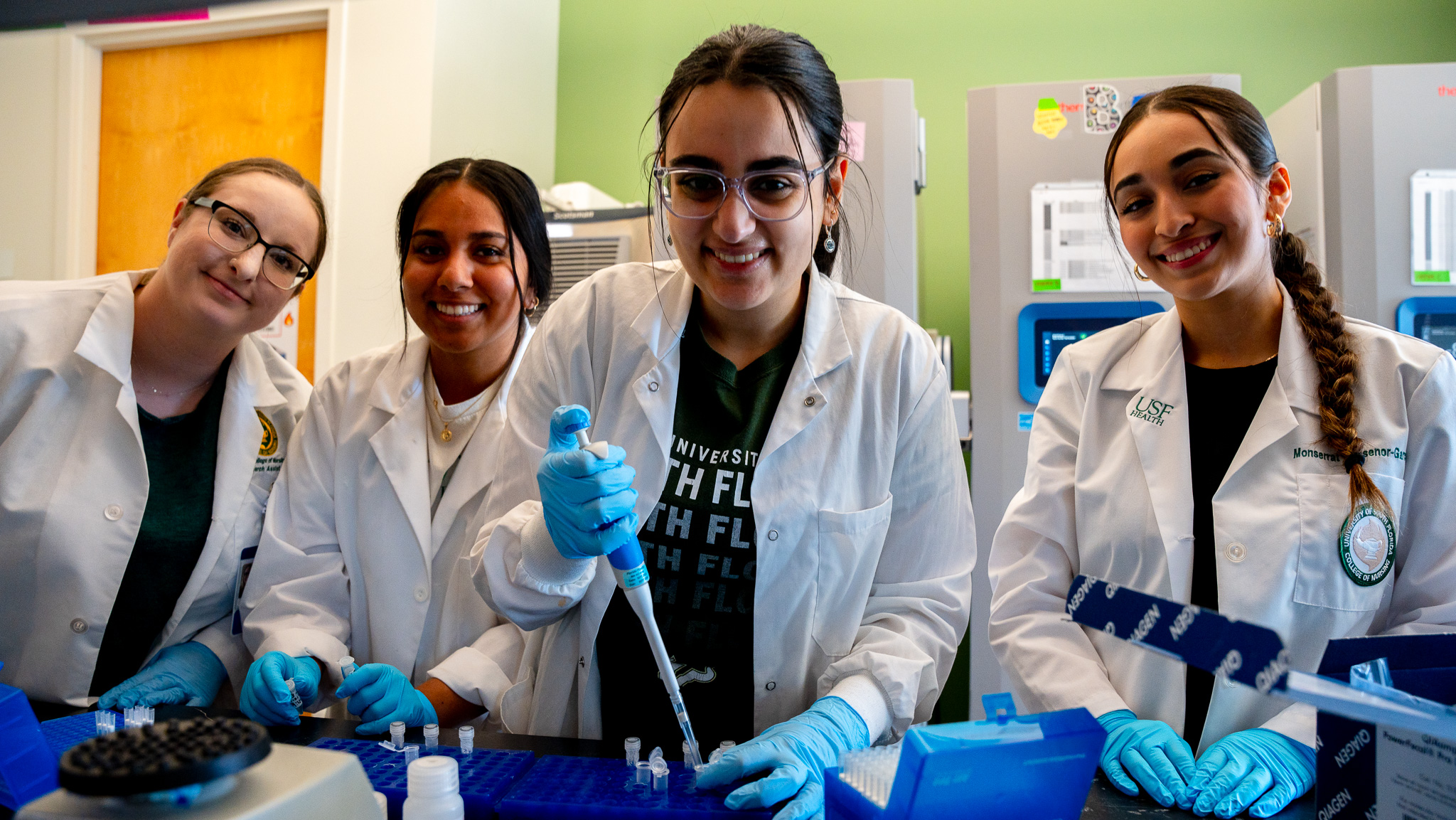
About the Biobehavioral Laboratory
The College of Nursing (CON) Biobehavioral Laboratory is a key asset for nursing and interdisciplinary research at the University of South Florida. With over 2,400 square feet of BSL-2 laboratory space and patient exam rooms, our state-of-the-art equipment for sequencing and conducting high-throughput biological analyses allows us to address complex questions about human physiology, pathophysiology, and their relationship with psychosocial factors.
The Biobehavioral Laboratory can provide help with experimental design, trouble shooting, and data analysis to local USF faculty and external researchers. The Biobehavioral Laboratory is also located close to several USF core facilities (CON Biostatistics core, Microbiomes Institute, Genomics core, Proteomics core) that we collaborate with to accomplish research and study goals.
Services
-
Multiple rooms for discretely collecting biospecimens (e.g., blood/serum, saliva, hair, stool, and urine) and conducting physical examinations, clinical measurements, and treatment interventions for health care and clinical research purposes
-
Processing of tissue, blood and bodily fluids; peripheral blood mononuclear cell (PBMC) processing
Nucleic acid extraction, quality-assessment, and quantification
-
Illumina MiSeq sequencer
Genetic sequencing
Microbiome sequencing and analysis
Gene expression
Epigenetic analysis
-
Luminex MAGPIX multiplexing system
Analyze up to 50 analytes/biomarkers per sample with reduced sample volume consumption and lower costs compared to traditional immunoassays (e.g., ELISA).
Common panels for stress hormones (e.g., cortisol), inflammation (e.g., IL-1b, IL-6, TNF-a), cardiovascular health (e.g. CRP, SAA, VEGF), neurosciences (e.g., amyloid beta, tau, NGF), metabolism (e.g., glucagon, c-peptide, GLP-1), cancer (e.g., CD28, GITR, HGF), and others.
Custom panels can be created to further specify analytes/biomarkers.
-
High-throughput sample (>100) analysis of single analytes/biomarkers
Absorbance, fluorescence, and luminescence assays available for 1000’s of biomarkers
Time-resolved fluorescence (TRF) assays available for high-throughput screening, biomarker detection, and drug discovery
Atmospheric oxygen controls for performing real-time cellular-based analyses
-
QuantStudio 5 Real-Time PCR system
-
Roche cobas 5800
Infectious disease panels: HIV-1, HBV, HCV, HIV-1/HIV-2 Qual, HDV+, HBV RNA (RUO) ‡
Respiratory panels: SARS-CoV-2 Qualitative Test, SARS-CoV-2 + Influenza A/B +, MPLX Respiratory +
Sexual health panels: HPV, CT/NG, TV/MG, BV/CV +, MG Resistance +, NG Resistance +
Transplant panels: CMV, EBV, BKV, ADV Quant (RUO) + ‡, HSV/VZV (RUO) + ‡
Third-party tests and other laboratory developed test (LDT) panels available
-
Ultra-low temperature freezers (-80 °C) and cryo-freezer storage tanks (-196 °C, Liquid Nitrogen) with capacity for both small and large sample sizes
-
-
-
-
-
Project consultation (letters of support, methods, experimental design, and cost estimates)
Sequencing library preparation and instrument training and assistance
Quality check - sample and library QC
Sequencing methods development work - R & D
Troubleshooting assistance
Data analysis assistance
Grant proposal & manuscript preparation work
Laboratory training
Please contact Dr. Ryan Pace to discuss your needs and learn more.
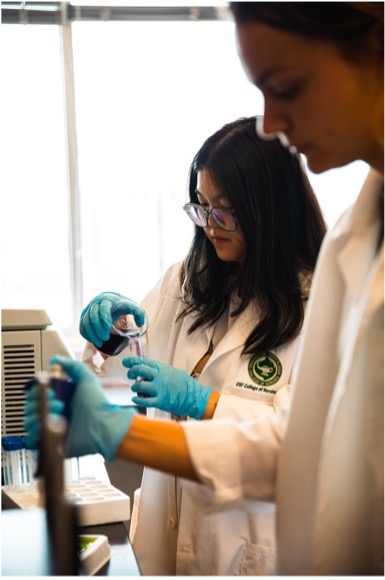
Undergraduate Biobehavioral Researchers Program (UBRP)
The College of Nursing (CON) Undergraduate Biobehavioral Researchers Program (UBRP) provides undergraduate students with an immersive and paid experience in laboratory training and interdisciplinary research. We hope to foster an interest and passion in biobehavioral research in students from any background, as well as promote a sense of community, collaboration, and empowerment in STEM. No prior laboratory experience is required to apply and join. To date, UBRP has hosted an array of undergraduate students from different disciplines (nursing, microbiology, biomedicine, etc.) with varying levels of experience.
Undergraduates admitted into UBRP undertake a series of trainings related to environmental health and safety, biosafety, and ethical conduct of human subjects research. Upon completion of trainings, students learn a variety of advanced methods used in modern laboratory research (e.g., DNA/RNA extraction and sequencing, immunoassays, and cell culture). After demonstrating proficiency, students join ongoing research projects and take ownership of completing study sub-objectives with the goal of presenting their research findings at local and national conferences (e.g., USF Summer Undergraduate Research Symposium; USF Health Research Day).
CON UBRP is supported by a grant from the Florida High Tech Corridor and USF Office of Research and Innovation.
For undergraduate students interested in applying for admission to UBRP, please check the USF Undergraduate Research Portal for full application instructions. Note: Applications to UBRP are available during the late Fall and early Spring semesters.
-
The maternal oral microbiome during pregnancy
Analyze the maternal salivary microbiome, cortisol, and inflammatory cytokines for changes in diversity and abundance throughout pregnancy; Analyze relationships between the salivary microbiome throughout pregnancy, maternal self-reported stress/depression, cortisol levels, and adverse perinatal outcomes.
The microbiome in gestational diabetes: Contribution to race-related health disparities- We will compare the microbiomes of women with and without gestational diabetes to determine microbial signatures, then compare the microbiota of Latinx and White women to assess race-related signatures. We will examine the contribution of the diet, local environment, country of origin, years in the US, education level, BMI, socioeconomic status, perceived stress, and salivary cortisol to GDM status.
An AI-based multimodal approach to predict pain in perinatal care scenarios-Collect clinical information and multimodal data (facial expression, body movement, crying frequency, vital signs) for post-surgical pain prediction in neonates.
The Scientific Value of Premature Infant Biospecimens to Investigate Mechanisms in Neonatal Sepsis
Create small volume sample collection, processing, and storage practices that are rigorous, reproducible, and validated for use in multi-omic studies. We will use machine learning methods to develop new models of neonatal sepsis from stool, blood, and saliva for detection, differential diagnoses, and/or prediction of systemic inflammatory infection. Our multi-omic network will establish molecular targets (pathways, genes, and metabolites) for future experimental studies to validate proposed causal mechanisms in sepsis progression and recovery.
Functional consequences of bacterial-fungal dysbiosis in E/VLBW infants
Study functional changes to the developing infant microbiome that are dependent on proper trans-kingdom interactions among bacterial and fungal communities.
Chronic Toxoplasma gondii, Pregnancy reactivation, and Perinatal Depression
This study will contribute new knowledge to understandings of the pathophysiology of both T. gondii infection and depression in the perinatal period. The possible reactivation of the latent parasite will be examined in Hispanic women. We will explore the potential transmission of T.gondii to the fetus in mothers who are T.gondii positive.
The Preterm Infant Microbiome: Biological, Behavioral and Health Outcomes at 2 and 4 years of Age
This is a prospective study of a cohort of VLBW infants initially studied in an R21 grant, with measures of human milk intake, milk immunobiology, fecal calprotectin levels and early health outcomes. We propose to study the microbiomes of these infants in the 6 weeks of preserved stool samples while they were admitted to the Neonatal Intensive Care Unit. We will follow these infants through 4 years of age, studying the succession of the microbiome, and the relationships of microbiome to early and later health outcomes.
The Association between Preterm Milk Immunobiology and Infant Health
Study the relationships between human milk immunity and milk volume with clinical outcomes and immune and enteral biomarkers in preterm infants while hospitalized in the neonatal intensive care unit.
The Administration of Time-Matched Breast Milk: Infant Sleep Protection and Promotion
The Impact of Maternal Sleep on Human Milk Oligosaccharides and Microbiome
How Is the Lab Funded?
Research conducted in our laboratory is supported through a variety of funding sources. Our primary and most prestigious support comes from grants awarded by the National Institutes of Health (NIH). Additional investments from USF Health and the USF College of Nursing help advance our mission and expand opportunities for innovation and discovery.
Our research is also supported through funding from organizations such as the Florida High Tech Corridor, the Florida Department of Health Research Program, and private foundations.
Philanthropic support and individual donations play an important role in advancing our work. These contributions help fund specialized research equipment, equipment maintenance, development of new research initiatives, undergraduate and graduate student training and stipends, and travel opportunities for faculty and students presenting research at national and international conferences.
If you are interested in supporting our research or learning more about giving opportunities, please contact Eric Zaytzeff, Director of Development for the USF College of Nursing, at ezaytzeff@usf.edu.
-
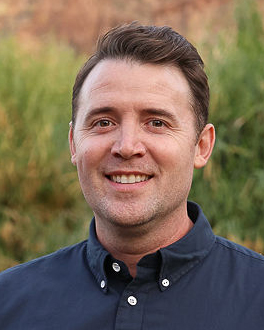 Ryan Pace, PhD
Associate Director, Biobehavioral Lab and Assistant Professor813-974-9243
Ryan Pace, PhD
Associate Director, Biobehavioral Lab and Assistant Professor813-974-9243