Endovascular Neurosurgery
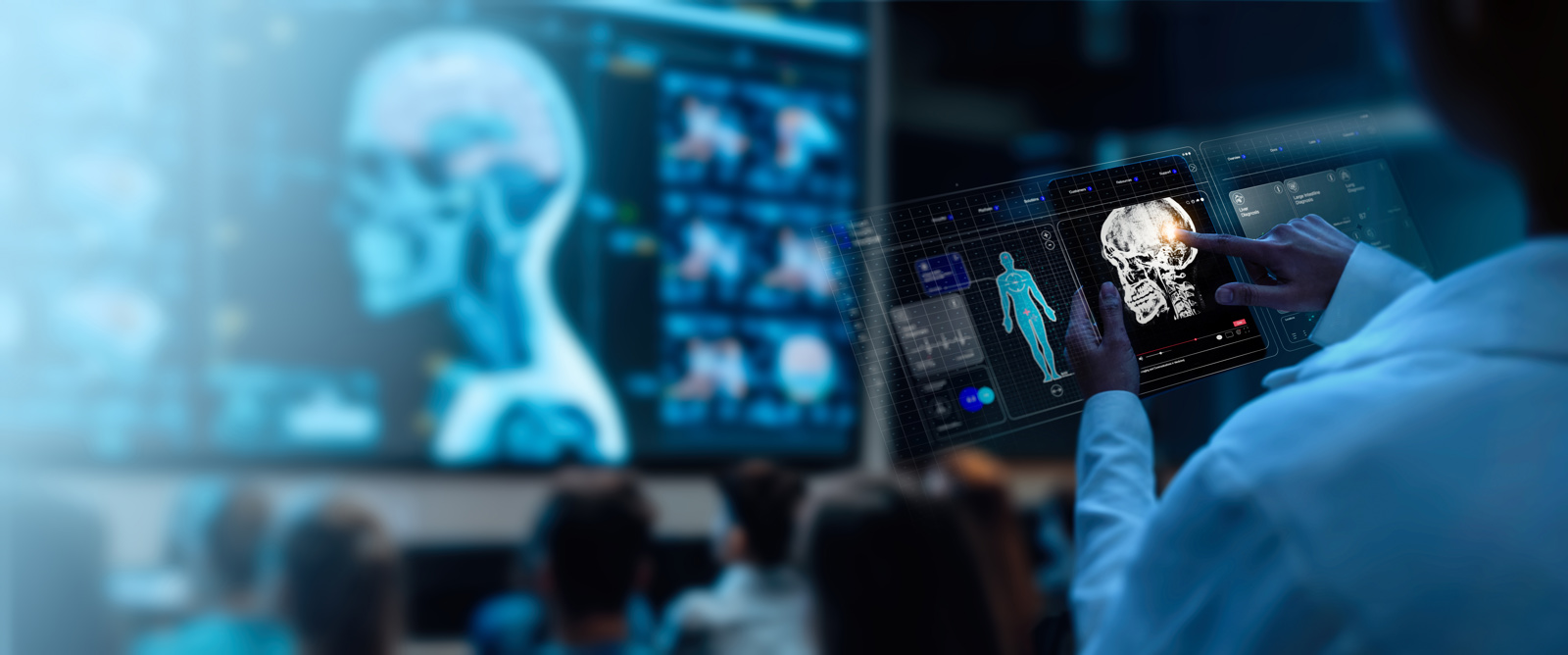
What is Endovascular Neurosurgery
Endovascular Neurosurgery, also known as endovascular neurosurgery or interventional neuroradiology, is a specialized field focused on diagnosing and treating conditions that affect the blood vessels of the brain, spine, head, and neck using minimally invasive, image-guided techniques.
What to Expect
As part of a leading academic medical center, the Endovascular Neurosurgery Division in the Department of Neurosurgery, Brain and Spine at USF Health combines clinical expertise with ongoing research and education. This integration allows the department to deliver advanced, evidence-based care while contributing to new discoveries that continue to improve the treatment of neurological disease.
Conditions and Procedures
Conditions Endovascular Neurosurgery Specialize In
Stroke
Transient Ischemic Attack
Aneurysms
Cerebrovascular malformations including arteriovenous malsormation (AVMs) and dural arteriovenous fistula (dAVF)
Procedures
Endovascular Neurosurgery procedures may be diagnostic, such as cerebral angiography, which provides detailed images of the brain’s blood vessels. They may also be therapeutic, including treatments such as endovascular coiling, embolization, thrombectomy, and stent placement used to treat aneurysms, vascular malformations, stroke, transient ischemic attack, and other vascular conditions.
Meet Our Faculty

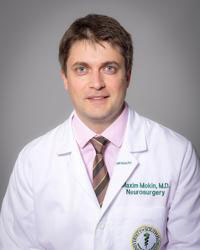
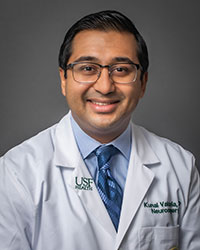
Training Affiliate
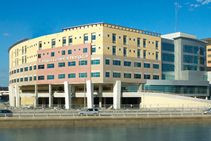
Tampa General Hospital
Tampa General Hospital (Pic) This fellowship is based at Tampa General Hospital. This 1,000+ bed teaching hospital is the primary teaching hospital for USF Health Morsani College of Medicine. As the only Level I Trauma Center in the Tampa Bay area, TGH serves as the main tertiary care facility for West Central Florida, and is a comprehensive stroke center. TGH receives neurosurgical patients from all parts of Florida and the greater southeast region. There are 32-dedicated, state of the art neurological-ICU beds, and 18-dedicated trauma-ICU beds.