Research
Biostatistics Core

About the Core
Biostatistics, bioinformatics, and collaborative health research
Directed by Dr. Xiaoli Zhang, the Biostatistics Core at USF Health College of Nursing applies statistical analysis and computational biology to research on cancer, infectious disease, and other health conditions.
The Zhang Lab is Dr. Zhang’s research group within the Core.
Meet the Team
-

About Dr. Zhang
Dr. Zhang leads the Biostatistics Core at the USF Health College of Nursing. Her research combines multi-omics and clinical information to study disease mechanisms and identify biomarkers, with interests spanning cancer, infectious disease and Alzheimer’s disease.
View Professional Profile View CV
Education
PhD in Molecular Biology, University of Iowa
MS in Statistics, University of Iowa
MS in Molecular and Cellular Biology, University of Science and Technology of China
BS in Biochemistry, Yantai University
Research Interests
Biostatistics
Bioinformatics
Multi-omics
Machine learning
Projects
How single-cell atlases define progenitor-exhausted T cells
Cancer immunology | Manuscript in preparationComparing published CD8+ T-cell atlases and how their definitions affect automated annotation, clonal analyses and clinical associations.
Cross-region gene-expression signatures in Alzheimer’s disease
Neurodegeneration | Published studyCombining brain transcriptomic datasets to identify gene-expression changes associated with Alzheimer’s disease across regions and cohorts.
Role: Conceptualization, methods and manuscript review
Funded Collaborations
Role of the non-canonical inflammasome in SARS-CoV-2-mediated pathology and coagulopathy
Infectious disease | Funded collaborationInvestigating inflammasome biology in SARS-CoV-2 pathology and coagulopathy.
Role: PI and Director, Biostatistics and Bioinformatics Core
Elucidation of human natural killer cell development
Cancer immunology | Funded collaborationStudying NK-cell development in human tissues and its relationship to endometrial cancer.
Role: Co-investigator / Site PI
Targeting specific microRNA to alleviate Alzheimer’s disease pathobiology
Neurodegeneration | Funded collaborationExamining microRNA regulation of autophagy and amyloid-beta clearance in Alzheimer’s disease.
Role: Co-investigator / Site PI
Targeting c-Myc stability in c-Myc-overexpressing large B-cell lymphoma
Cancer biology | Funded collaborationStudying c-Myc regulation, tegavivint treatment and resistance mechanisms in large B-cell lymphoma.
Role: Co-investigator / Site PI
The role of the non-canonical inflammasome in innate immunity
Infectious disease | Funded collaborationInvestigating caspase-11-mediated clearance of Legionella infection.
Role: Co-investigator / Site PI
Host responses to the pore-forming toxin Listeriolysin O
Infectious disease | Funded collaborationStudying host responses to Listeriolysin O and their relevance to therapies for toxin-mediated disease.
Role: Co-investigator / Site PI
Publications
Shah, K., Littlestone, E., Ahmmad, M., Wang, C., Xu, Y., & Zhang, X. (2026). A cross-region meta-analysis and machine learning identifies a 37-gene signature associated with Alzheimer’s disease. Biomedicines, 14(9), 2032.
Kim, D., Allen, C. A., Chung, D., Meng, L., Zhang, X., Zhang, W., Ouyang, Y., Li, Z., & Hong, F. (2025). A novel TLR4 accessory molecule drives hepatic oncogenesis through tumor-associated macrophages. Cancer Letters, 217543.
Brown-Burke, F., Saadey, R., Mao, H. C. C., Marra, P., Brooks, E., Wandtke, A., Hout, I., Leon, S., Sharma, A., Yasin, A., Cash, T., Ahmed, E. H., Baiocchi, E. J., Finoti, S. S., Zhang, X., Bhagwat, N., Vaddi, K., Scherle, P., Mozhenkova, A., … Shindiapina, P. (2025). PRMT5 inhibition reduces hyperinflammation in a murine model of secondary hemophagocytic lymphohistiocytosis (HLH). Blood Advances.
Majumder, S., Mishra, S., Shinde, N., Cuitino, M. C., Bauer, M., Ahirwar, D., Basree, M. M., Bharti, V., Ormiston, K., Mawalkar, R., Alsammerai, S., Sarathy, G., Vilgelm, A. E., Zhang, X., Ganju, R. K., & Ramaswamy, B. (2025). Divergent paths of mammary gland involution: Unveiling the cellular dynamics in abruptly and gradually involuted mouse models. Breast Cancer Research, 27(1), 1.
Zhang, X., Huang, Y., Yang, Y., Wang, Q. E., & Li, L. (2024). Advancements in prospective single-cell lineage barcoding and their applications in research. Genome Research.
Singh, D., Qiu, Z., Jonathan, S. M., Fa, P., Thomas, H., Prasad, C. B., Cai, S., Wang, J. J., Yan, C., Zhang, X., Venere, M., Li, Z., Sizemore, S. T., Wang, Q. E., & Zhang, J. (2024). PP2A B55alpha inhibits epithelial-mesenchymal transition via regulation of Slug expression in non-small cell lung cancer. Cancer Letters, 598, 217110.
Prislusky, M. I., Lam, J. G. T., Contreras, V. R., Ng, M., Chamberlain, M., Pathak-Sharma, S., Fields, M., Zhang, X., Amer, A. O., & Seveau, S. (2024). The septin cytoskeleton is required for plasma membrane repair. EMBO Reports, 25(9), 3870–3895.
Kuang, Z., Miao, J., & Zhang, X. (2024). Serum albumin and derived neutrophil-to-lymphocyte ratio are potential predictive biomarkers for immune checkpoint inhibitors in small cell lung cancer. Frontiers in Immunology, 15, 1327449.
Prasad, C. B., Oo, A., Liu, Y., Qiu, Z., Zhong, Y., Li, N., Singh, D., Xin, X., Cho, Y. J., Li, Z., Zhang, X., Yan, C., Zheng, Q., Wang, Q. E., Guo, D., Kim, B., & Zhang, J. (2024). The thioredoxin system determines CHK1 inhibitor sensitivity via redox-mediated regulation of ribonucleotide reductase activity. Nature Communications, 15(1), 4667.
Denlinger, N., Song, N. J., Zhang, X., Jeon, H., Peterson, C., Wang, Y., Reynolds, K., Bolz, R. M., Miao, J., Song, C., Wu, D., Chan, W. K., Bezerra, E., Epperla, N., Voorhees, T. J., Brammer, J., Kittai, A. S., Bond, D. A., Sawalha, Y., … Yang, Y. (2024). Postinfusion PD-1+ CD8+ CAR T cells identify patients responsive to CD19 CAR T-cell therapy in non-Hodgkin lymphoma. Blood Advances, 8(12), 3140–3153.
Liu, Z., Liao, Y., Hwang, C. L., Rethorst, C. D., & Zhang, X. (2024). Associations of online health information seeking with health behaviors of cancer survivors. Digital Health, 10, 20552076241238074.
-
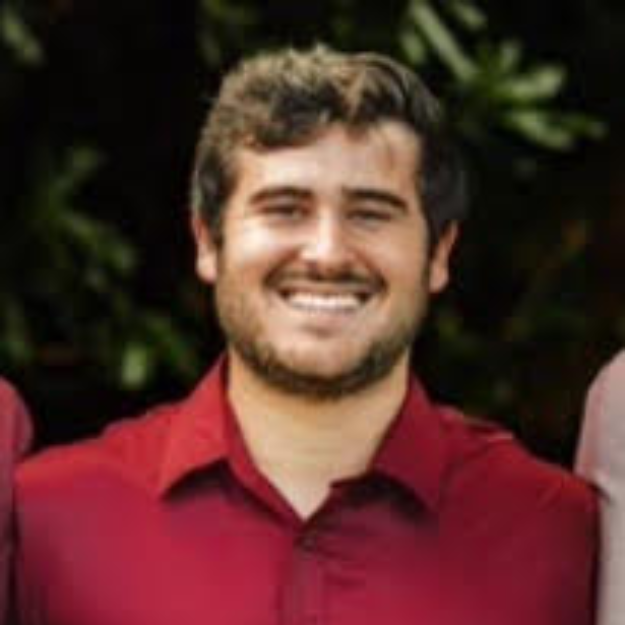
About Ethan
Ethan works on cancer immunotherapy, focusing on CD8+ T-cell exhaustion and progenitor-exhausted T cells. He uses single-cell and multi-omics analyses, AI-assisted workflows and research software to compare cell-state definitions and examine their implications for clinical analyses.
He develops reproducible analyses using Python, R, Bash and high-performance computing, with experience using Snakemake and Nextflow.
Previous Experience
Before joining USF, Ethan held research appointments in the NIH Critical Care Medicine Department, where he studied fungal protein function and evolution using sequence analysis, Foldseek and AlphaFold. His earlier laboratory work at Rapid Genomics and the University of Florida included sequencing-library preparation, agricultural genotyping and mammalian cell culture for vaccine research.
Education
MS in Bioinformatics, Northeastern University
MS in Microbiology and Cell Science, University of Florida
BS in Microbiology and Cell Science, University of Florida
Research Interests
Cancer immunotherapy
Single-cell and multi-omics analysis
Infectious disease
Structural bioinformatics
Machine learning and AI
Reproducible research software
Projects
How single-cell atlases define progenitor-exhausted T cells
Cancer immunology | Manuscript in preparationComparing published CD8+ T-cell atlases and how their definitions affect automated annotation, clonal analyses and clinical associations.
Cross-region gene-expression signatures in Alzheimer’s disease
Neurodegeneration | Published studyCombining brain transcriptomic datasets to identify gene-expression changes associated with Alzheimer’s disease across regions and cohorts.
Role: Manuscript review and editing
Publications
Shah, K., Littlestone, E., Ahmmad, M., Wang, C., Xu, Y., & Zhang, X. (2026). A cross-region meta-analysis and machine learning identifies a 37-gene signature associated with Alzheimer’s disease. Biomedicines, 14(9), 2032.
-
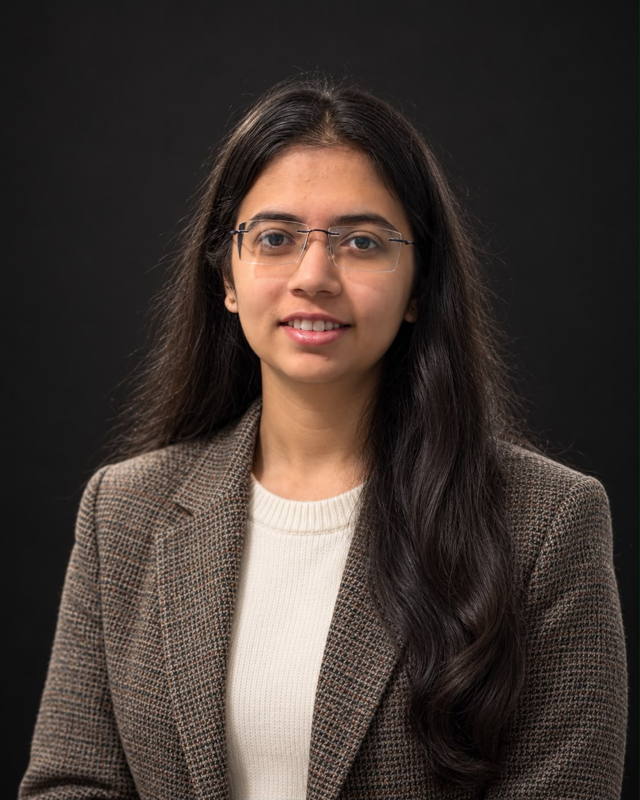
About Kashvi
Kashvi studies Alzheimer’s disease using transcriptomics, statistical genomics and machine learning.
Her first-author study combined five bulk RNA-sequencing datasets to identify a 37-gene signature associated with the disease across brain regions, examine its relationship with neuropathology and evaluate it in independent cohorts.
Previous Experience
Kashvi’s broader experience includes cancer genomics, single-cell RNA sequencing, whole-exome and whole-genome sequencing and ChIP-seq. She develops reproducible analysis workflows with Python, R and Linux-based computing tools.
Education
MS in Bioinformatics and Computational Biology, University of South Florida
PharmD, Gujarat Technological University
Research Interests
Alzheimer’s disease
Transcriptomics
Statistical genomics
Meta-analysis
Machine learning
Clinical pharmacy
Projects
Cross-region gene-expression signatures in Alzheimer’s disease
Neurodegeneration | Published studyCombining brain transcriptomic datasets to identify gene-expression changes associated with Alzheimer’s disease across regions and cohorts.
Role: Conceptualization, methods and formal analysis; first author
Publications
Shah, K., Littlestone, E., Ahmmad, M., Wang, C., Xu, Y., & Zhang, X. (2026). A cross-region meta-analysis and machine learning identifies a 37-gene signature associated with Alzheimer’s disease. Biomedicines, 14(9), 2032.
-
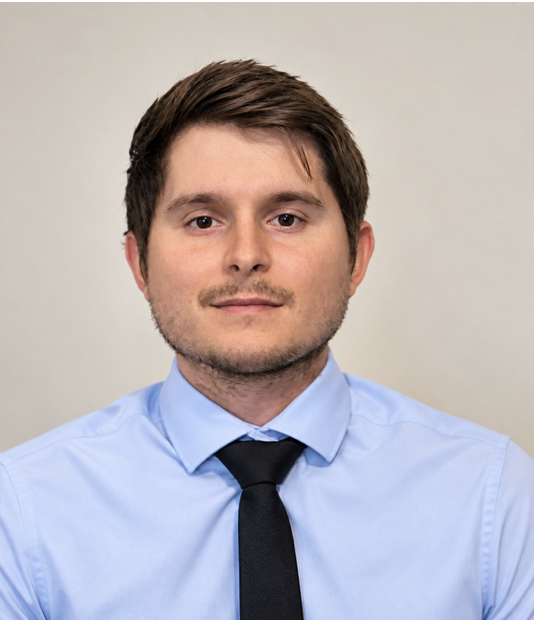
About Tanner
Tanner works on statistical and genomic analyses of non-small cell lung cancer. His work includes somatic mutation analysis to study clonal hematopoiesis and clinical data collection for immunotherapy biomarker and outcome studies.
He uses R, SAS and Python for data management, statistical analysis and visualization, drawing on his training in applied biostatistics and epidemiology. His broader research experience spans Alzheimer’s disease clinical trials, trauma research and infectious disease surveillance.
Previous Experience
Tanner’s previous research includes analyses of Alzheimer’s disease clinical trial availability, effect sizes reported in biomedical studies and statistical support for trauma research. He also gained experience in infectious disease surveillance through an epidemiology internship with the Florida Department of Health.
Education
MPH in Applied Biostatistics, University of South Florida
Graduate Certificate in Concepts and Tools of Epidemiology, University of South Florida
BS in Public Health, University of South Florida
Research Interests
Biostatistics
Cancer genomics
Immunotherapy outcomes
Epidemiology
-

About Dr. Ahmmad
Ethan works on cancer immunotherapy, focusing on CD8+ T-cell exhaustion and progenitor-exhausted T cells. He uses single-cell and multi-omics analyses, AI-assisted workflows and research software to compare cell-state definitions and examine their implications for clinical analyses.
He develops reproducible analyses using Python, R, Bash and high-performance computing, with experience using Snakemake and Nextflow.
Education
PhD in Biostatistics and Data Science, University of Mississippi, 2022
Research Interests
Biostatistics
Machine learning
Cancer epidemiology
Survival analysis
Projects
Cross-region gene-expression signatures in Alzheimer’s disease
Neurodegeneration | Published studyCombining brain transcriptomic datasets to identify gene-expression changes associated with Alzheimer’s disease across regions and cohorts.
Role: Manuscript review and editing
Publications
Shah, K., Littlestone, E., Ahmmad, M., Wang, C., Xu, Y., & Zhang, X. (2026). A cross-region meta-analysis and machine learning identifies a 37-gene signature associated with Alzheimer’s disease. Biomedicines, 14(9), 2032.
Zhang Lab
The Zhang Lab is Dr. Xiaoli Zhang’s research group within the Biostatistics Core. The lab applies biostatistics, bioinformatics and data science to research in areas including cancer immunology and Alzheimer’s disease.
Zhang Lab Research
-
How single-cell atlases define progenitor-exhausted T cells
Cancer immunology | Manuscript in preparation
Comparing published CD8+ T-cell atlases and how their definitions affect automated annotation, clonal analyses and clinical associations.
Contributors: Xiaoli Zhang and Ethan Littlestone
Cross-region gene-expression signatures in Alzheimer’s disease
Neurodegeneration | Published study
Combining brain transcriptomic datasets to identify gene-expression changes associated with Alzheimer’s disease across regions and cohorts.
Contributors: Xiaoli Zhang, Ethan Littlestone, Kashvi Chirag Shah and Md Roungu Ahmmad
-
T-cell atlas data portal
In developmentA resource for exploring atlas definitions, gene expression and annotation results.
Multi-reference annotation CLI
In developmentA tool designed to run supported annotation algorithms against multiple reference atlases.
Research and Scholarly Activity
-
Role of the non-canonical inflammasome in SARS-CoV-2-mediated pathology and coagulopathy
Infectious disease
Investigating inflammasome biology in SARS-CoV-2 pathology and coagulopathy.
Funding: NIH/NIAID | P01AI175399
Award period: April 10, 2024–March 31, 2029
Multiple principal investigators: Amer, Cormet-Boyaka and Li, Ohio State University
Core contributor: Xiaoli Zhang, PhD, MS | PI and Director, Biostatistics and Bioinformatics CoreElucidation of human natural killer cell development
Cancer immunology
Studying natural killer (NK) cell development in human tissues and its relationship to endometrial cancer.
Funding: NIH/NCI | R01CA208353
Award period: May 1, 2023–April 30, 2028
Principal investigator: Freud, Ohio State University
Core contributor: Xiaoli Zhang, PhD, MS | Co-investigator / Site PITargeting specific microRNA to alleviate Alzheimer’s disease pathobiology
Neurodegeneration
Examining microRNA regulation of autophagy and amyloid-beta clearance in Alzheimer’s disease.
Funding: NIH/NIA | R01AG082113
Award period: April 1, 2023–March 31, 2028
Principal investigator: Amer, Ohio State University
Core contributor: Xiaoli Zhang, PhD, MS | Co-investigator / Site PITargeting c-Myc stability in c-Myc-overexpressing large B-cell lymphoma
Cancer biology
Studying c-Myc regulation, tegavivint treatment and resistance mechanisms in large B-cell lymphoma.
Funding: NIH/NCI | R01CA266682
Award period: April 1, 2022–March 31, 2027
Principal investigator: Alinari, Ohio State University
Core contributor: Xiaoli Zhang, PhD, MS | Co-investigator / Site PIThe role of the non-canonical inflammasome in innate immunity
Infectious disease
Investigating caspase-11-mediated clearance of Legionella infection.
Funding: NIH/NIAID | R01AI159452
Award period: June 11, 2021–May 31, 2026
Principal investigator: Amer, Ohio State University
Core contributor: Xiaoli Zhang, PhD, MS | Co-investigator / Site PIHost responses to the pore-forming toxin Listeriolysin O
Infectious disease
Studying host responses to Listeriolysin O and their relevance to therapies for toxin-mediated disease.
Funding: NIH/NIAID | R01AI157205
Award period: June 11, 2021–May 31, 2026
Principal investigator: Seveau, Ohio State University
Core contributor: Xiaoli Zhang, PhD, MS | Co-investigator / Site PI -
Shah, K., Littlestone, E., Ahmmad, M., Wang, C., Xu, Y., & Zhang, X. (2026). A cross-region meta-analysis and machine learning identifies a 37-gene signature associated with Alzheimer’s disease. Biomedicines, 14(9), 2032.
Kim, D., Allen, C. A., Chung, D., Meng, L., Zhang, X., Zhang, W., Ouyang, Y., Li, Z., & Hong, F. (2025). A novel TLR4 accessory molecule drives hepatic oncogenesis through tumor-associated macrophages. Cancer Letters, 217543.
Brown-Burke, F., Saadey, R., Mao, H. C. C., Marra, P., Brooks, E., Wandtke, A., Hout, I., Leon, S., Sharma, A., Yasin, A., Cash, T., Ahmed, E. H., Baiocchi, E. J., Finoti, S. S., Zhang, X., Bhagwat, N., Vaddi, K., Scherle, P., Mozhenkova, A., … Shindiapina, P. (2025). PRMT5 inhibition reduces hyperinflammation in a murine model of secondary hemophagocytic lymphohistiocytosis (HLH). Blood Advances.
Majumder, S., Mishra, S., Shinde, N., Cuitino, M. C., Bauer, M., Ahirwar, D., Basree, M. M., Bharti, V., Ormiston, K., Mawalkar, R., Alsammerai, S., Sarathy, G., Vilgelm, A. E., Zhang, X., Ganju, R. K., & Ramaswamy, B. (2025). Divergent paths of mammary gland involution: Unveiling the cellular dynamics in abruptly and gradually involuted mouse models. Breast Cancer Research, 27(1), 1.
Zhang, X., Huang, Y., Yang, Y., Wang, Q. E., & Li, L. (2024). Advancements in prospective single-cell lineage barcoding and their applications in research. Genome Research.
Singh, D., Qiu, Z., Jonathan, S. M., Fa, P., Thomas, H., Prasad, C. B., Cai, S., Wang, J. J., Yan, C., Zhang, X., Venere, M., Li, Z., Sizemore, S. T., Wang, Q. E., & Zhang, J. (2024). PP2A B55alpha inhibits epithelial-mesenchymal transition via regulation of Slug expression in non-small cell lung cancer. Cancer Letters, 598, 217110.
Prislusky, M. I., Lam, J. G. T., Contreras, V. R., Ng, M., Chamberlain, M., Pathak-Sharma, S., Fields, M., Zhang, X., Amer, A. O., & Seveau, S. (2024). The septin cytoskeleton is required for plasma membrane repair. EMBO Reports, 25(9), 3870–3895.
Kuang, Z., Miao, J., & Zhang, X. (2024). Serum albumin and derived neutrophil-to-lymphocyte ratio are potential predictive biomarkers for immune checkpoint inhibitors in small cell lung cancer. Frontiers in Immunology, 15, 1327449.
Prasad, C. B., Oo, A., Liu, Y., Qiu, Z., Zhong, Y., Li, N., Singh, D., Xin, X., Cho, Y. J., Li, Z., Zhang, X., Yan, C., Zheng, Q., Wang, Q. E., Guo, D., Kim, B., & Zhang, J. (2024). The thioredoxin system determines CHK1 inhibitor sensitivity via redox-mediated regulation of ribonucleotide reductase activity. Nature Communications, 15(1), 4667.
Denlinger, N., Song, N. J., Zhang, X., Jeon, H., Peterson, C., Wang, Y., Reynolds, K., Bolz, R. M., Miao, J., Song, C., Wu, D., Chan, W. K., Bezerra, E., Epperla, N., Voorhees, T. J., Brammer, J., Kittai, A. S., Bond, D. A., Sawalha, Y., … Yang, Y. (2024). Postinfusion PD-1+ CD8+ CAR T cells identify patients responsive to CD19 CAR T-cell therapy in non-Hodgkin lymphoma. Blood Advances, 8(12), 3140–3153.
Liu, Z., Liao, Y., Hwang, C. L., Rethorst, C. D., & Zhang, X. (2024). Associations of online health information seeking with health behaviors of cancer survivors. Digital Health, 10, 20552076241238074.
Contact the Core
Interested in a project or collaboration?
Xiaoli Zhang, PhD, MS
Professor and Director, Biostatistics Core
USF Health College of Nursing
12901 Bruce B. Downs Blvd., MDC 22
Tampa, FL 33612
813-905-1067