General Psychiatry Residency
Rotations & Training Sites
Program year rotations
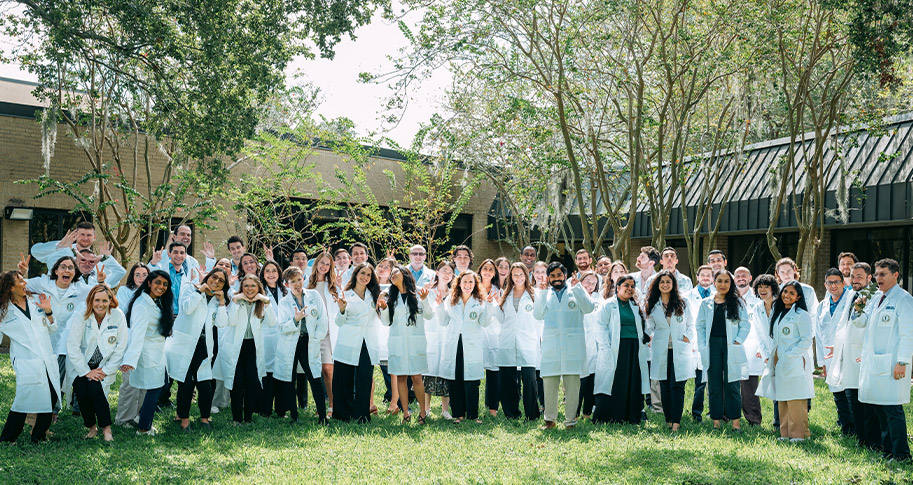
Our psychiatry residency offers a progressive, structured training experience that builds clinical competency year by year. Residents gain a strong foundation in general medicine and neurology, advance into core psychiatric care across diverse settings, and ultimately develop expertise, autonomy, and leadership skills.
-
The PGY1 year consists of three months of one month of outpatient internal medicine, three months of inpatient internal medicine, two months of inpatient neurology and six months of psychiatry.
Internal Medicine
Neurology
Inpatient Psychiatry, JAHVA
Inpatient Geriatric Psychiatry, JAHVA
MHICM, JAHVA
Consultation-Liaison Psychiatry, JAHVA, TGH
-
The PGY2 year is comprised of mainly inpatient rotations with some early exposure to outpatient and psychiatry sub-specialties. Residents have the opportunity for two elective blocks in this year. Second year residents complete a total of six weeks of night float throughout the year in two-week blocks.
Emergency Psychiatry
Night Float
Inpatient Psychiatry
Child & Adolescent Psychiatry Clinic
Consultation-Liaison Psychiatry
Geriatric Psychiatry
Substance Use Disorder Clinic
Electives
Home Based Primary Care
Transcranial Magnetic Stimulation
Geriatric Consultation-Liaison
Sleep
Education
Research
Integrative Medicine in Psychiatry
Pain
Spinal Cord Injury
-
Third year residents are assigned to a variety of outpatient clinics in order to obtain a broad clinical experience, with equal emphasis on the evaluation of new patients and longitudinal care. We ensure that residents will carry a caseload of long-term psychotherapy patients, with dedicated weekly psychotherapy supervision with a faculty member.
All PGY3 residents rotate through the "Clinical Supervised Visit (CSV) clinic" where residents are observed interviewing patients and given formative feedback by co-residents, students and faculty in order to polish their interview skills. Residents also have the opportunity to spend ½ day per week for several months experiencing various subspecialties and other practice settings, including memory disorder clinic, substance use disorders clinic, inpatient forensics, clinical trials, and TMS. Child & Adolescent Psychiatry, USF
Women’s Clinic, JAHVA
Mental Health Clinic, JAHVA
Student Health & Wellness Center, USF
Outpatient Psychiatry Clinic, USF
Health Park, USF/TGH
Electives
Memory Disorder Clinic
Forensic Psychiatry
Education, JAHVA
Research, JAHVA
-
The final year of training is designed to allow residents to consolidate their diagnostic, therapeutic and administrative skills and is largely comprised of elective blocks. Residents continue a half-day continuity clinic through the University Psychiatry Center.
A two-month rotation in neurotherapies offers extensive training in the evaluation of patients for and the use of electroconvulsive therapy, as well as additional opportunities in transcranial magnetic stimulation. Some fourth year residents interested in education may have an opportunity to become involved in undergraduate medical education.
All PGY-4 residents will have a rotation in which they function as "Junior Attendings" on inpatient and consultative services. Opportunities for further exploration of specialty interests and research are available.
Consultation-Liaison Psychiatry, TGH
Neurotherapies, TGH
Cove/Ibis
TMS, JAHVA
Outpatient psychiatry clinic, USF
Electives
HBPC JAHVA
TMS, JAHVA
Geriatric Consultation-Liaison, JAHVA
Sleep, JAHVA
Education, JAHVA
Research, JAHVA
Integrative Medicine in Psychiatry, JAHVA
Pain, JAHVA
Spinal Cord Injury, JAHVA
Training Sites
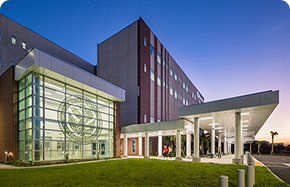
James A. Haley Veterans Affairs Hospital
13000 Bruce B Downs Blvd,
Tampa, FL 33612
James A. Haley Veterans Affairs Hospital
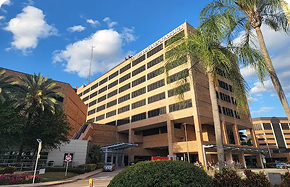
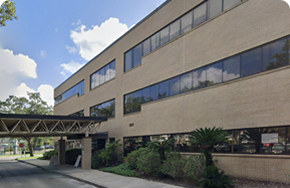
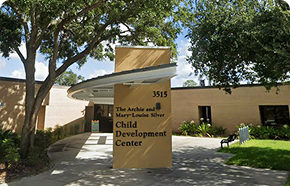
USF Silver Child Development Center
3515 E Fletcher Ave,
Tampa, FL 33613
USF Silver Child Development Center
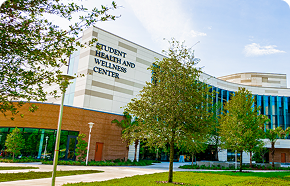
USF Student Health & Wellness Center
12530 USF Bull Run Drive,
Tampa, FL 33617
USF Student Health & Wellness Center
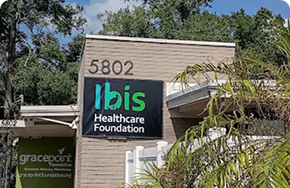
Call
PGY1 residents take buddy call with upper-level residents while on psychiatry rotations.
PGY2 residents take in-house weekend and holiday call at JAHVA and TGH.
PGY3 residents take weeknight pager care at USF/TGH and weekend consult-liaison call at TGH.
PGY4 chief residents take pager call in a supervisory capacity.
Questions?
We’re here to help! Questions on our residency programs and psychiatry training can be submitted to Shay Raffensperger at shayr@usf.edu.