
Pediatrics
Pediatric Cardiology
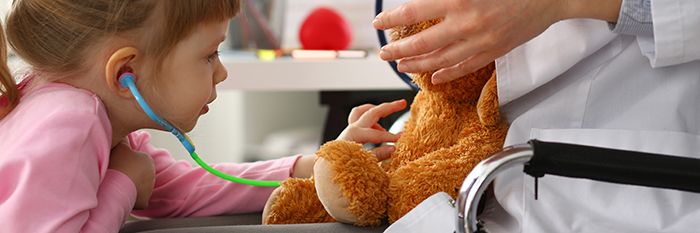
When a child is born with a heart condition or develops a heart condition it affects your child's life and can be very challenging for the family as well.
At USF Health we strive to provide the finest quality care for your child. Our services are designed to provide compassionate, high-quality, and state-of-the-art treatment for infants, children, adolescents. Each patient receives personalized clinical services tailored to meet their unique needs to help ensure the best possible outcome.
As part of the region’s largest academic medical center on the west coast of Florida, USF Health pediatric cardiology provides the highest quality cardiac care for all patients with congenital and acquired heart disease.
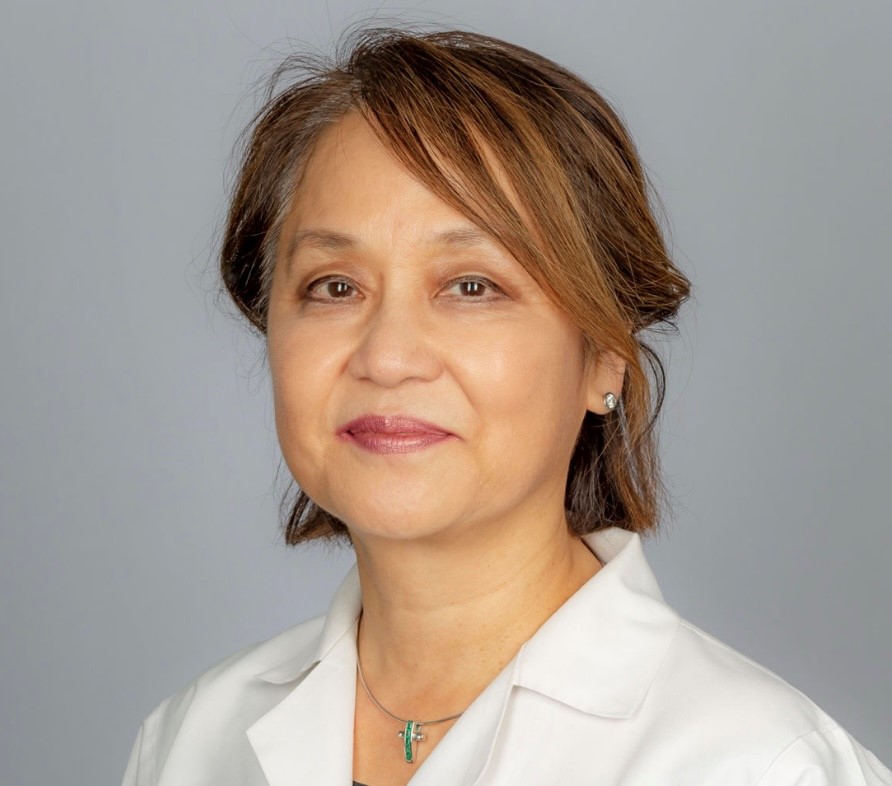
USF Health welcomed Dr. Elsa Suh, a Board-Certified Pediatric Cardiologist. Dr. Suh has been providing cardiac care for the Tampa Bay region for more than 25 years.
Dr. Suh has performed thousands of cardiac catheterization procedures and interventions during her career, whose ages range from fetus to elderly patients with congenital heart defects. She is also known as the “Surgeon’s Cardiologist” and has a close working relationship with Pediatric Cardiac Surgeons. As a firm believer in continuity of care, some of her patients now expand two generations.
Conditions Treated
Our dedicated expert team delivers compassionate, transparent and advanced care with a strong focus on each patient’s well-being. Our clinic prioritizes care for pediatric patients of all ages, beginning as newborns. We offer continuity of care for pediatric patients with congenital heart defects through adulthood. We are committed to providing expert care and personalized attention by taking a collaborative, multidisciplinary care approach, that includes seamless access to USF Health specialists for complex conditions.
Procedures
-
This test permits doctors to see the heart structure and function and how well the heart pumps blood. This diagnostic test uses sound waves to actually see moving images of the heart. The information is used to diagnose heart conditions and monitor treatments.
-
An EKG (electrocardiogram) is also referred to as an ECG. This test allows doctors to diagnose various heart conditions by measuring heart rate, rhythm, strength and timing of the heart and timing of electrical signals.
-
A cardiac event monitor is used to record heart activity. The monitor is a small, portable device which records record heart activity, for when when symptoms like palpitations, dizziness and chest pains. The event monitor is used to help doctors diagnose heart rhythm irregularities and determine the effectiveness of treatments. This device differentiates from the Holter monitor, as it is activated and records only when triggered by the patient or when an abnormal rhythms are detected.
-
The Holter monitor is used to detect arrhythmias (irregular heartbeats). The device is a small and wearable device typically worn for one to two days.
Meet Our Expert
Appointments
To request an appointment
(813) 821-8010
Patient Referrals
To submit a patient referral, please fax
(813) 821-9770
Location
Chalsty Pediatric Clinic at John S. Curran, MD, Children's Health Center
13101 Bruce B. Downs Blvd.
Tampa, FL 33612
Google Map