Microbiomes Institute
A New Frontier for Human Medicine
Unlocking the mysteries of the microbiome can reveal new ways to improve our quality of life.
These microbiota—communities of bacteria, fungi and other microbes—have the potential to influence virtually every area of health. They create a delicate and mysterious balance between human cells that affects how we age and how we respond to medical therapies and treatments.
While the microbiome isn’t a new concept in human medicine, the technology now exists for us to better understand its powerful effects. Emerging evidence indicates that the microbiome is a key driver for human health and disease as scientists have identified differences in the microbiota of patients with cancer, cardiovascular disease, diabetes, metabolic disorders, inflammatory bowel disease, neurodegenerative conditions, and possibly even psychiatric conditions.
The future of medicine lies in understanding the microbiome. By learning how these bacteria influence the course of aging, disease and medical treatment, USF researchers can discover new interventions that can address our greatest health challenges.
While this research could start a revolution in medical science, important questions must be addressed. Do certain microbiota cause specific health conditions, or does our health instead affect our microbiome? Can we scientifically prove that a probiotic or microbiota transplant changes the course of disease? How can we make these treatments more precise and effective? It’s the role of science to examine these trending ideas and separate fact from hype.
Translating Research into Care
The USF Institute on Microbiomes is not pursuing science for science’s sake; it seeks to create real solutions to transform human health and improve outcomes for patients in need. USF prides itself on advancing innovative research through collaboration across professions, bringing together scientific researchers and outstanding clinicians to translate ideas from the laboratory bench to the patient’s bedside. By developing partnerships with clinical partners, academic medical centers and industry, the possibilities are great.
USF Health seeks to explore the most modern and inventive avenues for emerging medical therapies through its microbiome research initiative. We want to develop new products and probiotics. We seek to synthesize the bacteria used for intestinal microbiota transplantation for clean, more precise treatments. We will examine nanotechnologies to improve the delivery and effectiveness of microbiota treatments. We will partner with pharmacy researchers to improve the efficacy of drugs influenced by microbiota.
Your philanthropy can advance the future of health. Contact Arthur Santos at (813) 974-0356 or advance@usf.edu to learn more about the USF Institute on Microbiomes.
Areas of Opportunity and Focus for Microbiome Research
-
Differences in the vaginal microbiota of a pregnant mother have been associated with preterm labor, postpartum depression, and the overall health and development of her baby.
-
Not only are there differences in the gut microbiome of cancer patients versus healthy individuals, but also between cancer patients who respond well to treatment and those who don’t. Some bacteria appear to destroy or absorb certain cancer treatments, reducing their efficacy.
-
Evidence is growing that suggests gut microbiota may affect the onset and development of cardiovascular diseases and metabolic conditions such as hypertension.
-
Similar to the dynamic seen in cancer patients, there are differences in the gut microbiota between patients who do and don’t respond to Parkinson’s treatments, as well as patients diagnosed with clinical depression and healthy individuals. Even autism might be influenced by the microbiome.
-
Microbiota can influence the course of many infectious diseases, including clostridium difficile infections, viral infections and malaria, and therapies such as intestinal microbiota transplantation can cure infections by clostridium difficile. Also, changing the gut microbiota of mosquitoes can impact their capacity to transmit viral infections such as Zika or dengue to humans.
-
The promise of microbiome research extends far beyond disease conditions. Centenarians (age 100 or above) have unique microbiota from other geriatric patients. Even fitness levels could be associated with microbiota differences: marathon runners have a single unique bacterium from other healthy individuals.

The first microbiota intervention was done 3,000 years BC, but what’s new is our technological progress. With the capacity for genome sequencing and advances in bioinformatics, we now have the possibility to investigate the human microbiota like never before.
Christian Bréchot, MD, PhD
Senior Associate Dean for Research in Global Affairs
Associate Vice President for International Partnerships and Innovation
Professor, Division of Infectious Disease, Morsani College of Medicine
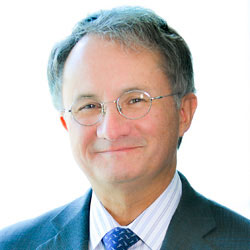
Dr. Bréchot has been at the forefront of catalyzing teams of top scientists to work together effectively on global solutions for emerging pathogens, malaria and microbial infections. He is the ideal person to work with leadership across USF Health and USF in strategically identifying opportunities to take our infectious diseases, cardiovascular, neuroscience, and maternal-child health translational research to the next level, and to build upon the international networks he helped create at the Pasteur Institute and elsewhere to make that happen.
Charles Lockwood, MD, MHCM
Senior Vice President for USF Health
Dean, Morsani College of Medicine