Shaping the future of health
The Morsani College of Medicine has active research programs in basic, translational, and clinical sciences. Research is carried out in Departments, Institutes, Centers and at our Veterans Hospitals and our primary teaching facility, Tampa General Hospital. In addition, there are rich collaborations with the Colleges of Public Health, Nursing and Pharmacy as well as the USF College of Arts and Sciences.
Our goal is to pursue new knowledge in the biomedical sciences, clinical sciences, and healthcare delivery, relevant to human health and disease. Please explore our research initiatives using the tabs above. The resources tab provides information for current faculty to facilitate research efforts.
Laura M. Bohn, PhD
Senior Associate Vice President of Research, USF Health
Vice Dean for Research, Morsani College of Medicine
Professor, Molecular Pharmacology & Physiology
Email: lbohn@usf.edu
Research Day
Despite their different questions and disciplines, participant's shared a common goal: advancing the science that shapes how people live and receive care at USF Health's largest celebration of health sciences research.
Read more about USF Health Research Day 2026.
Celebrating health science research
Save The Date
Our annual celebration of groundbreaking research and scientific excellence continues - March 5, 2027. The registration portal will be open soon, please check back.
Health Science Innovation
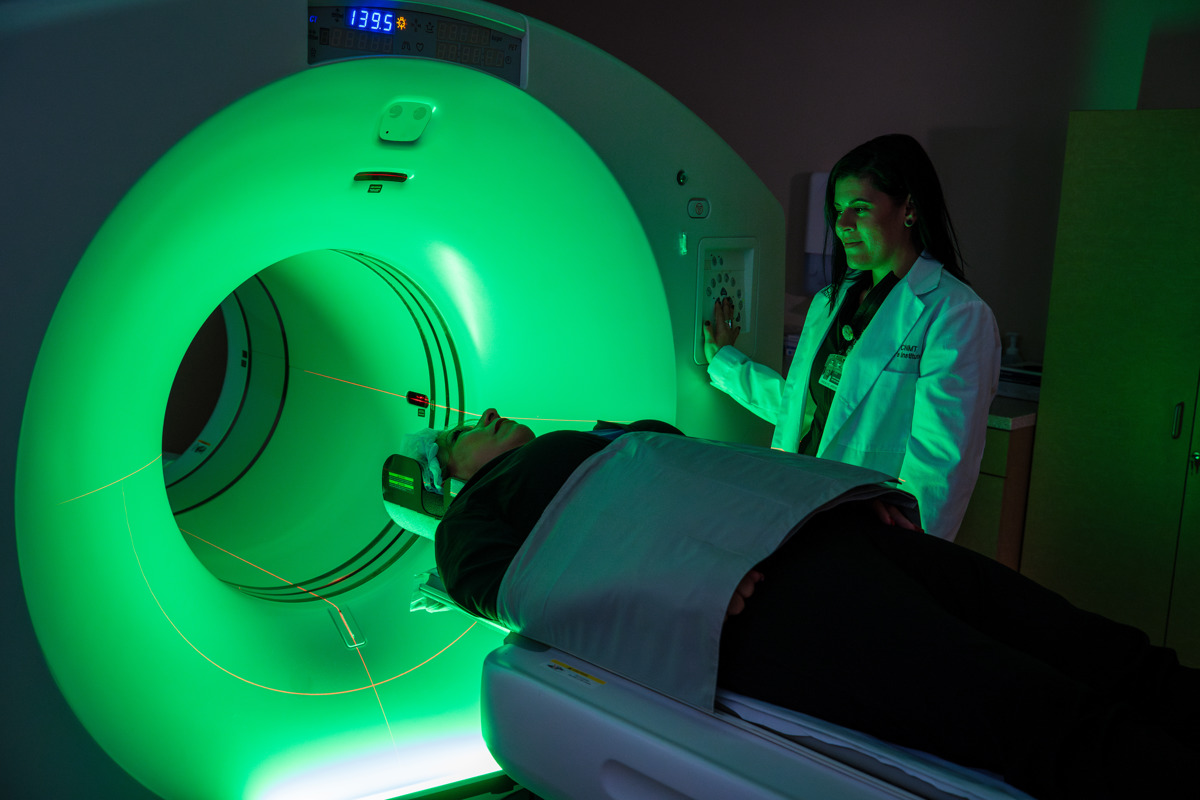

Nurse and Physician Stakeholder Guidance on Improving Sexually Transmitted Infection Care in a Pediatric Emergency Department
CONCLUSION: Using the TICD framework, this study identified key challenges, such as gaps in training, protocols and transition of care, and corresponding stakeholder-informed solutions to improve adolescent care for STIs in a pediatric ED setting. These findings can guide efforts to implement evidence-based STI practice guidelines in PEDs and general EDs.
Sucrose induces Cardiac Hypertrophy and Renal Perivascular Fibrosis in a Novel Mouse Model of Hypertension
CONCLUSION: Sucrose water induced hypertension, cardiac hypertrophy, and fibrosis of the heart and kidney in male mice. Female mice were partially protected from hypertension but not from cardiac hypertrophy. This mouse model represents a useful tool to investigate molecular mechanisms by which hypertension and end organ damage develop with excess sugar consumption.
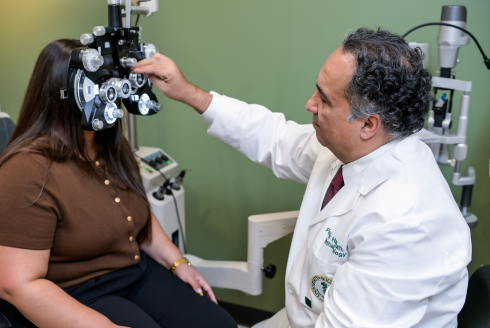
Seeing what others can’t: Dr. Pedram Hamrah’s quest to transform chronic eye pain treatment
Through groundbreaking discoveries in corneal nerve and immune function, Dr. Pedram Hamrah is transforming the future of chronic eye pain diagnosis and treatment.
Seeing what others can’t: Dr. Pedram Hamrah’s quest to transform chronic eye pain treatment

USF researchers develop living heart valves that could reduce repeated surgeries for children
At just 4 years old, Meadow Boes has already undergone three major heart surgeries. Now, inspired by children like Meadow, USF researchers are developing living heart valves designed to integrate with the body and adapt as patients grow – potentially reducing the need for repeated surgeries.
USF researchers develop living heart valves that could reduce repeated surgeries for children

A new hope for dogs with dementia: USF Health researchers explore gene therapy
Aging dogs can experience a form of dementia that leaves them confused, disoriented and lost – with few treatment options available. USF Health researchers are exploring a gene therapy that could slow the progression of canine cognitive decline while potentially offering new insights into Alzheimer’s disease in humans.