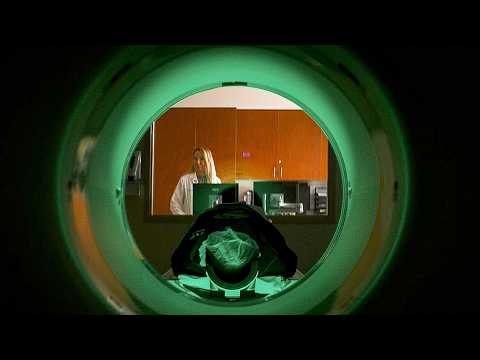
Shaping the future of health
The Morsani College of Medicine has active research programs in basic, translational, and clinical sciences. Research is carried out in Departments, Institutes, Centers and at our Veterans Hospitals and our primary teaching facility, Tampa General Hospital. In addition, there are rich collaborations with the Colleges of Public Health, Nursing and Pharmacy as well as the USF College of Arts and Sciences.
Our goal is to pursue new knowledge in the biomedical sciences, clinical sciences, and healthcare delivery, relevant to human health and disease. Please explore our research initiatives using the tabs above. The resources tab provides information for current faculty to facilitate research efforts.
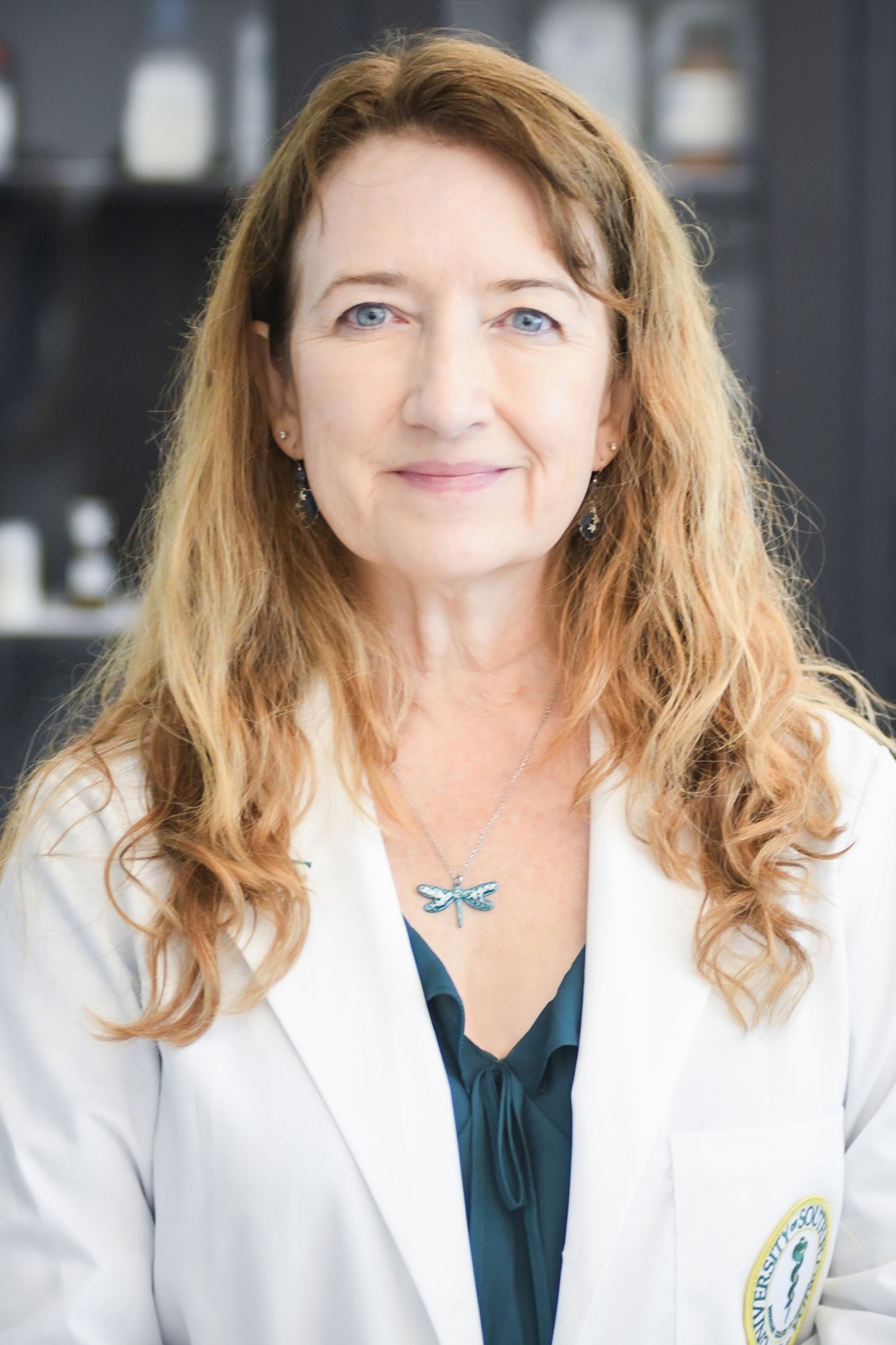
Laura M. Bohn, PhD
Senior Associate Vice President of Research, USF Health
Vice Dean for Research, Morsani College of Medicine
Professor, Molecular Pharmacology & Physiology
Email: lbohn@usf.edu
Research Day
Celebrating health science research
Our annual celebration of groundbreaking research and scientific excellence continues - March 5, 2027.
The registration portal will be open soon, please check back.
Despite their different questions and disciplines, they shared a common goal: advancing the science that shapes how people live and receive care.
Those conversations, and hundreds more like them, filled the USF Marshall Student Center during the 36th annual USF Health Research Day, the university’s largest celebration of health sciences research.
Read more about USF Health Research Day 2026.
Health Science Innovation
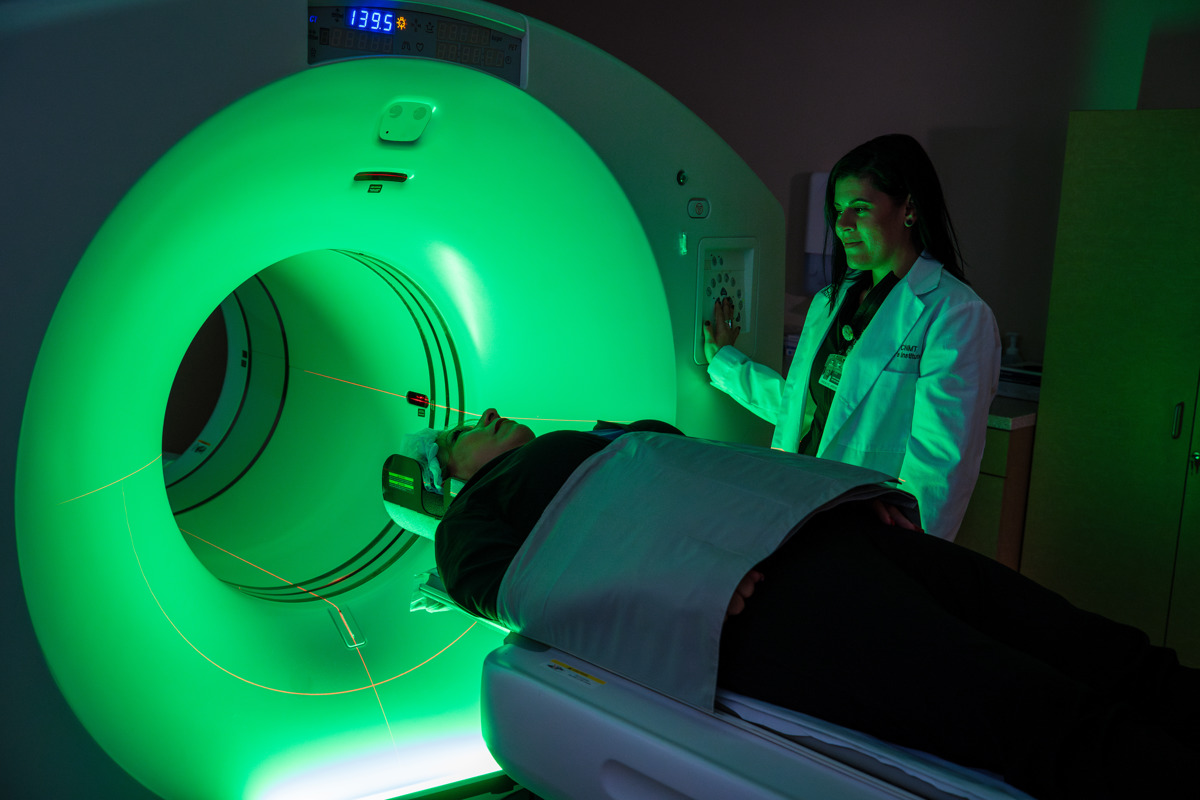

Protocolized tranexamic acid use lowers surgical intervention rates after active post-tonsillectomy hemorrhage: A retrospective cohort study
CONCLUSION: Protocolized TXA use was associated with reduced operative intervention in children and young adults with active PTH, with nebulized TXA showing the strongest association with avoidance of return to the operating room. The study was limited by its retrospective design and utilization of data from a single tertiary center.
Corrigendum to "Urostomy-associated stomal variceal hemorrhage secondary to portal hypertension: A case report and interventional radiology-guided management. Radiology case reports" [volume 21, issue 10, October 2026, pages 4622-4626]
[This corrects the article DOI: 10.1016/j.radcr.2026.06.139.].
Evidence tiers for strain-resolved long-read metagenomics
Long-read metagenomics links variants, repeats, and mobile elements across individual molecules and can reveal lineage turnover that is obscured at the species level. The strength of the resulting inference, however, depends on the type and genomic span of the recovered linkage. We distinguish four evidence units-strain profiles, local haplotype blocks, genome-scale strain candidates, and host-linkage evidence-and describe the diagnostics appropriate to each. Confidence is reported separately as
The Most Recent European and American Guidelines on Cardiac Rehabilitation: A Lack of Focus on Diaphragm Training
Cardiovascular diseases (CVDs) are the leading causes of death and morbidity worldwide. Patients with vascular and cardiac conditions undergo cardiac rehabilitation (CR), a process that may begin before surgery (less frequently), after invasive procedures, or as part of chronic disease management, with durations varying by healthcare facilities or national policies. CR is a valuable non-pharmacological intervention that supports patient health and the resumption of daily activities. These...
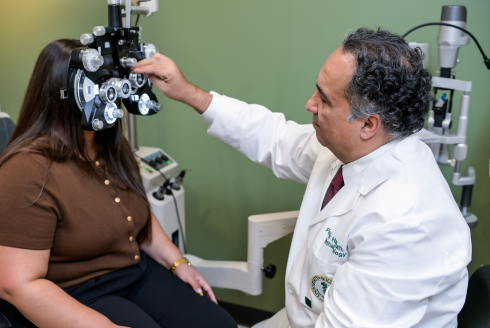
Seeing what others can’t: Dr. Pedram Hamrah’s quest to transform chronic eye pain treatment
Through groundbreaking discoveries in corneal nerve and immune function, Dr. Pedram Hamrah is transforming the future of chronic eye pain diagnosis and treatment.
Seeing what others can’t: Dr. Pedram Hamrah’s quest to transform chronic eye pain treatment

USF researchers develop living heart valves that could reduce repeated surgeries for children
At just 4 years old, Meadow Boes has already undergone three major heart surgeries. Now, inspired by children like Meadow, USF researchers are developing living heart valves designed to integrate with the body and adapt as patients grow – potentially reducing the need for repeated surgeries.
USF researchers develop living heart valves that could reduce repeated surgeries for children

A new hope for dogs with dementia: USF Health researchers explore gene therapy
Aging dogs can experience a form of dementia that leaves them confused, disoriented and lost – with few treatment options available. USF Health researchers are exploring a gene therapy that could slow the progression of canine cognitive decline while potentially offering new insights into Alzheimer’s disease in humans.